Our Vision

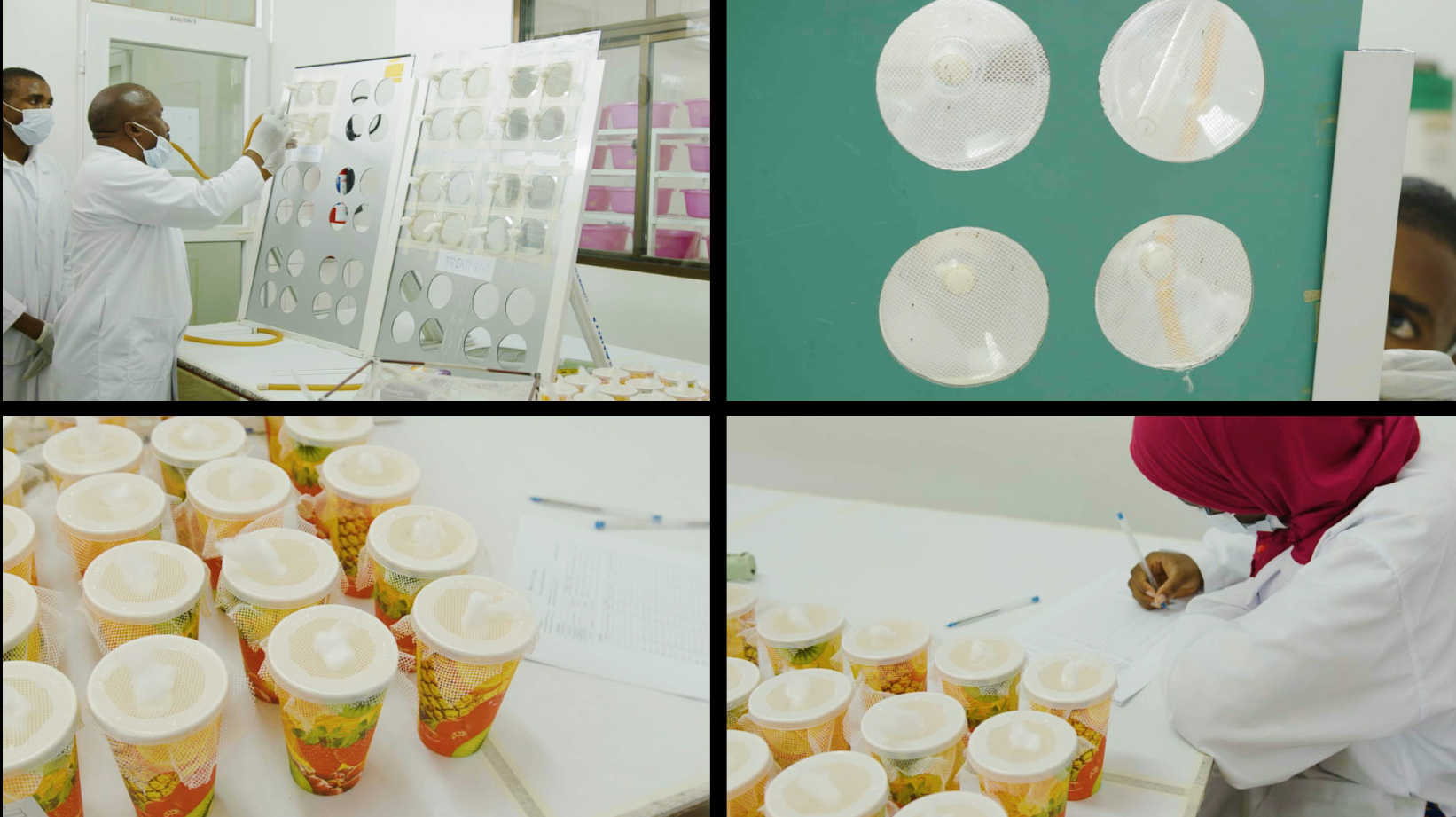
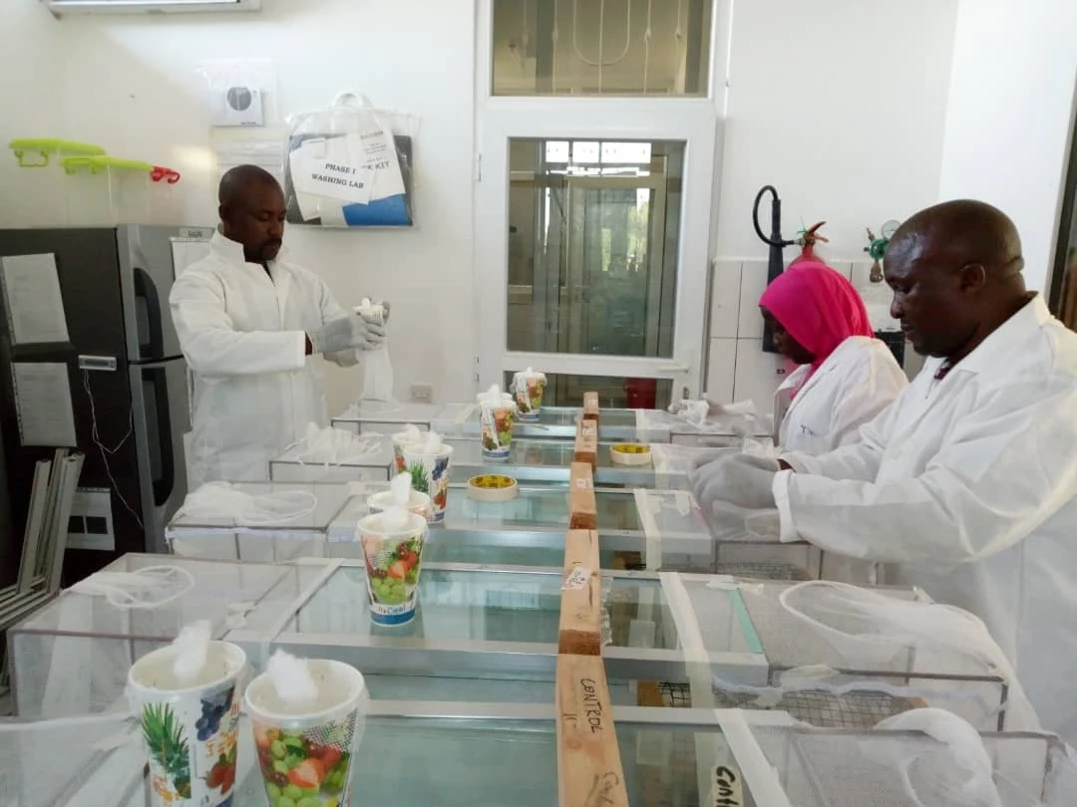
To eliminate vector-borne diseases through the development of high-quality, long-lasting vector control products. By conducting rigorous evaluations, developing new bioassays, contributing to policy documents and building capacity in entomology, we help accelerate the introduction of new products to the market.

GLP Accredited · WHO Prequalification Testing

Vector Control
Product Testing Unit

Internationally recognised, the Vector Control Product Testing Unit evaluates all types of vector control tools, including insecticide-treated nets, indoor residual sprays, spatial emanators, space sprays, larvicides, traps, lure-and-kill systems, and more — producing evidence used to shape global vector control policy.

GENERATING EVIDENCE. TRANSFORMING LIVES.
Our Mission

To serve the community by delivering excellent service, conducting high-quality research in vector control product testing, and training the next generation of vector control experts.

VCPTU in Numbers

0+ Peer-Reviewed Publications
0+ Years of Hut Trial Experience
0 Experimental Huts
0 Semi-Field Systems
0 IACT Chambers
0 Mosquito Strains Maintained
0M+ Mosquitoes Used Annually
0+ Industry Clients Served
0 Testing Labs
0+ Products Pre-qualified by WHO
70 Years of Impact 70 YEARS of IMPACT

A Specialist Testing✓GLP Accredited
since 2021
Facility in the Heart of East Africa

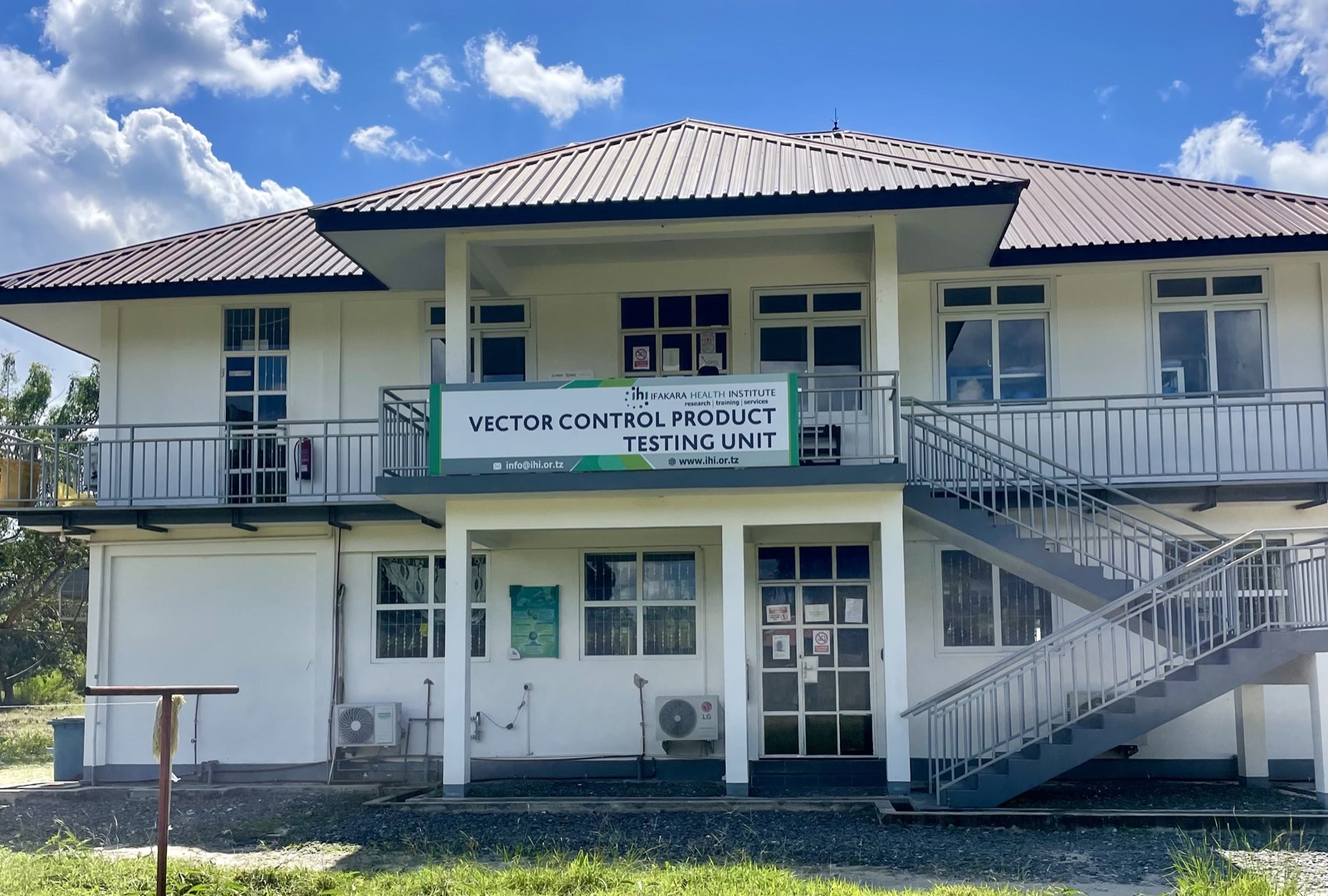
The Vector Control Product Testing Unit (VCPTU) is a specialised research unit within the Environmental Health and Ecological Sciences Department of the Ifakara Health Institute (IHI), located at its Bagamoyo Branch on the Tanzanian coast.

Established as an internationally recognised site, the VCPTU conducts high-quality, independent evaluations of novel and existing vector control products for private industry, product development partnerships (PDPs), and regulatory bodies — including the WHO Prequalification Programme.

All studies are conducted under the principles of Good Laboratory Practice (GLP), accredited by the South African National Accreditation System (SANAS G0033). Our work spans from research and development (R&D) through large-scale community trials, following rigorous methodology.

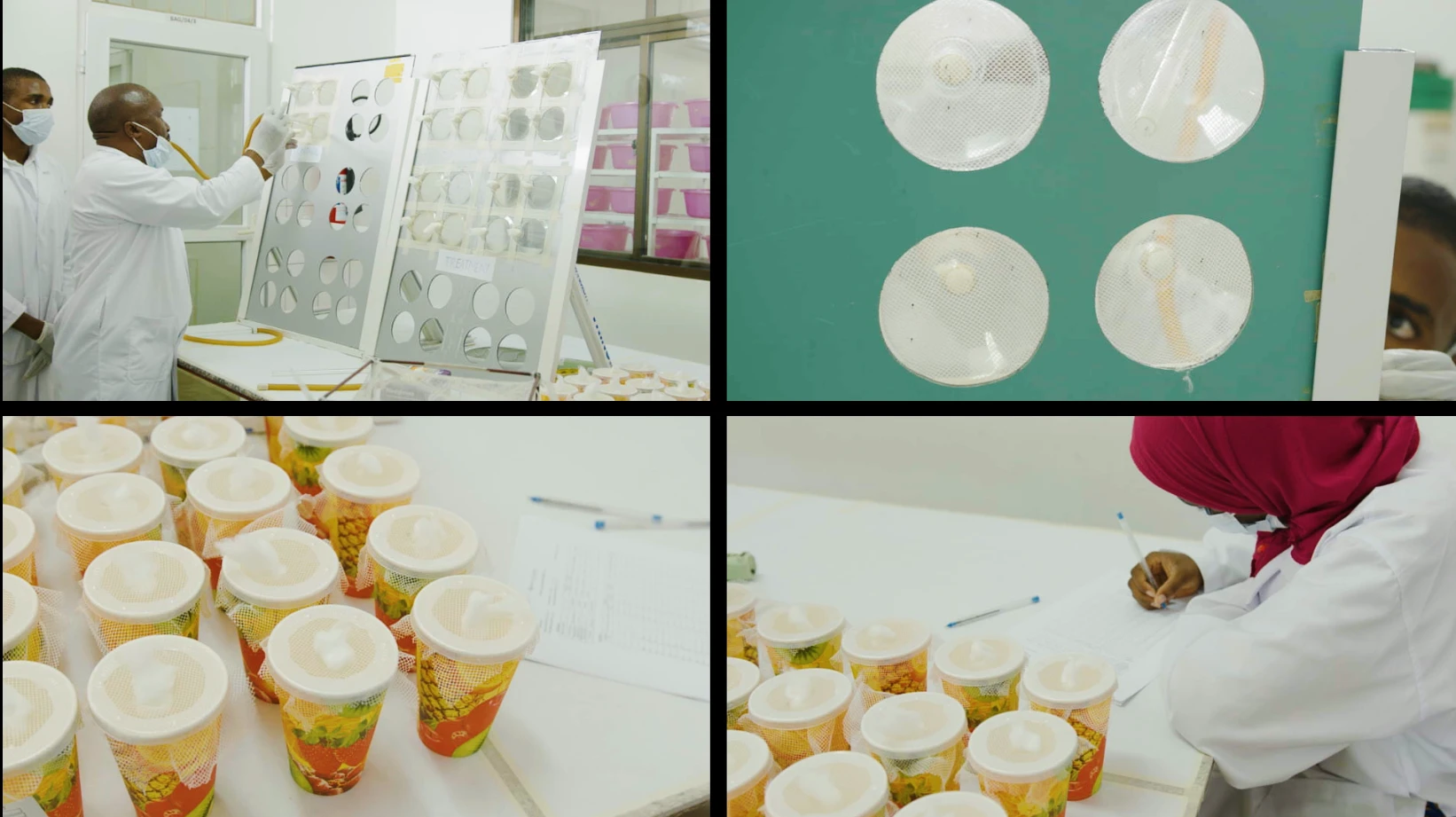
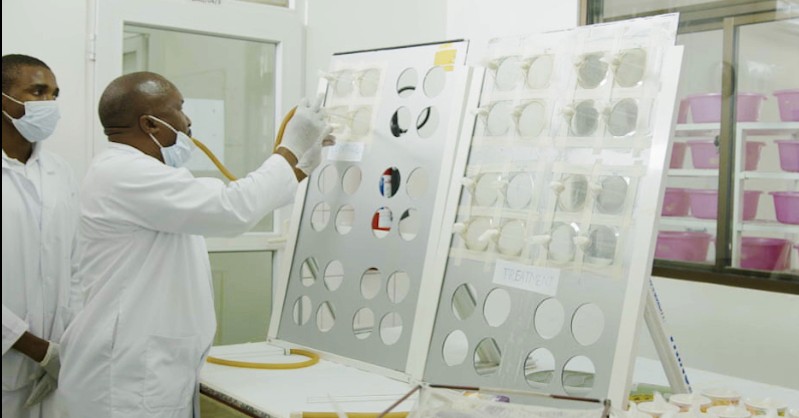
Insectary & Bioassays
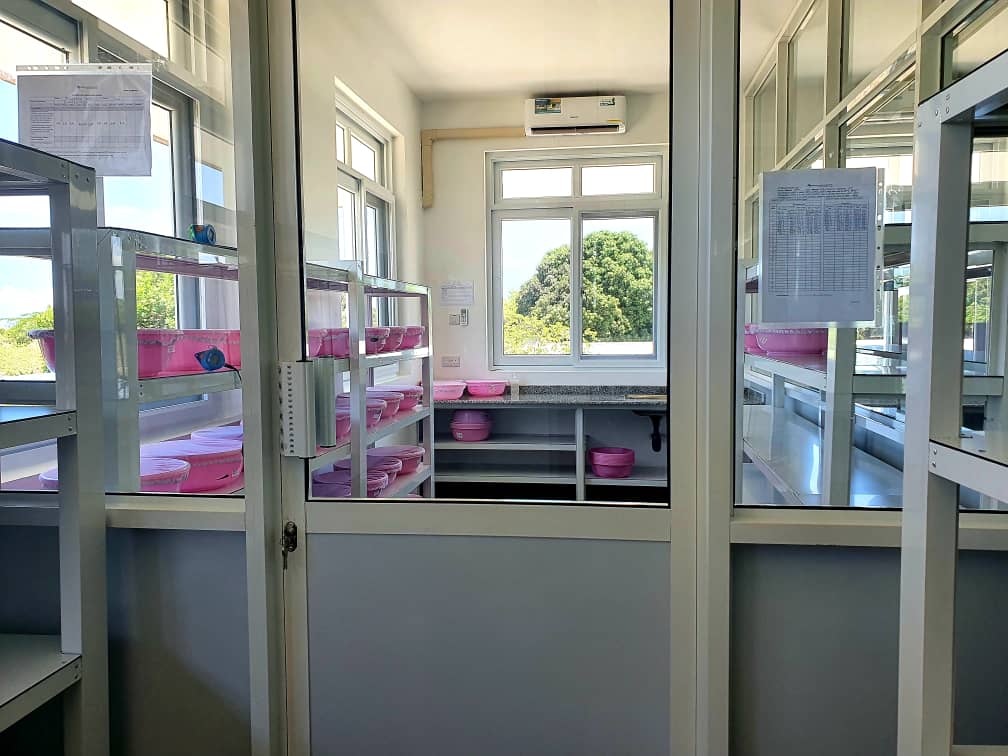
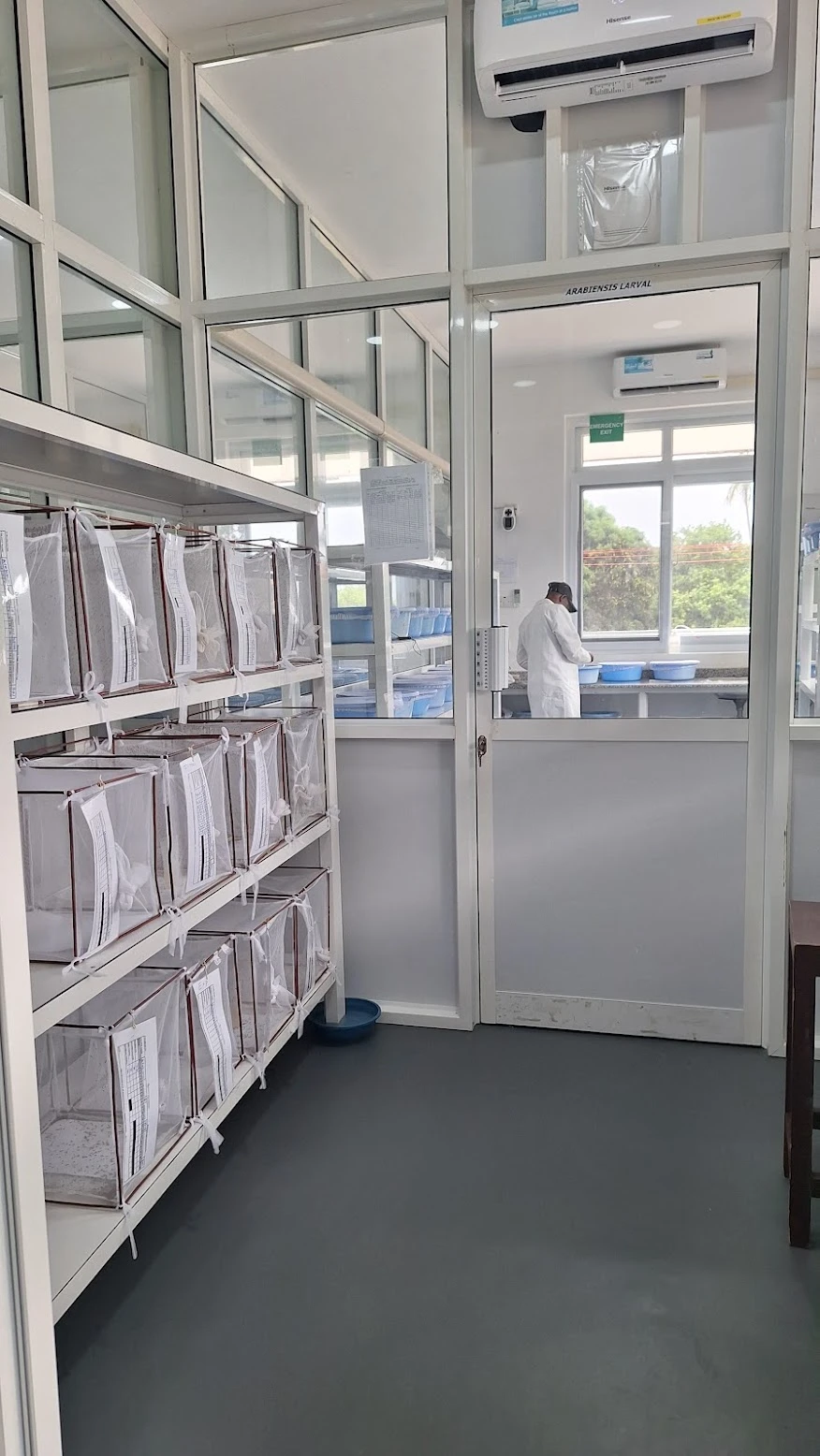
Insectary technician maintaining mosquito colony rearing trays Colony Maintenance
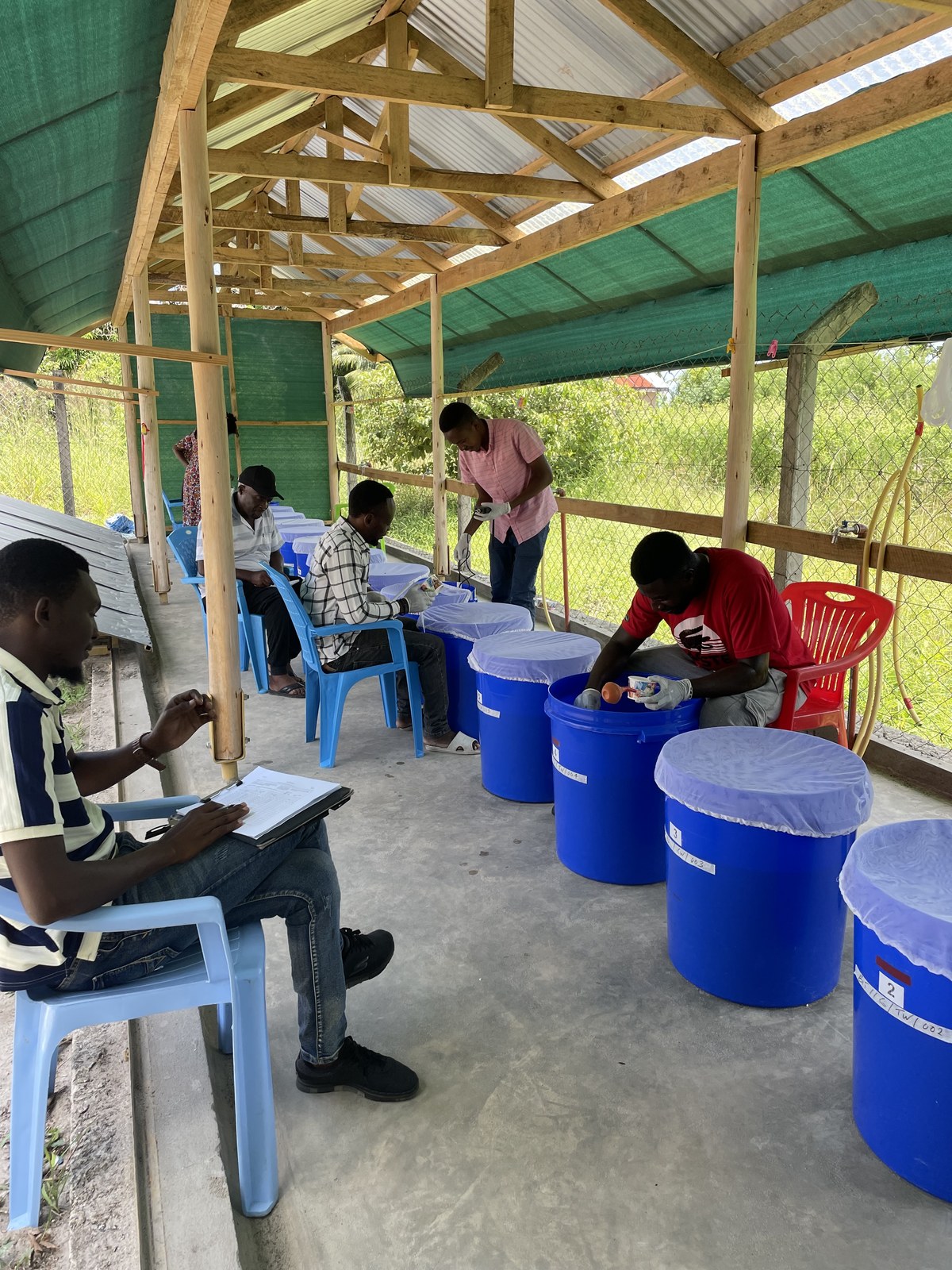
Cone bioassay Cone Bioassay
WHO tunnel test Tunnel Test
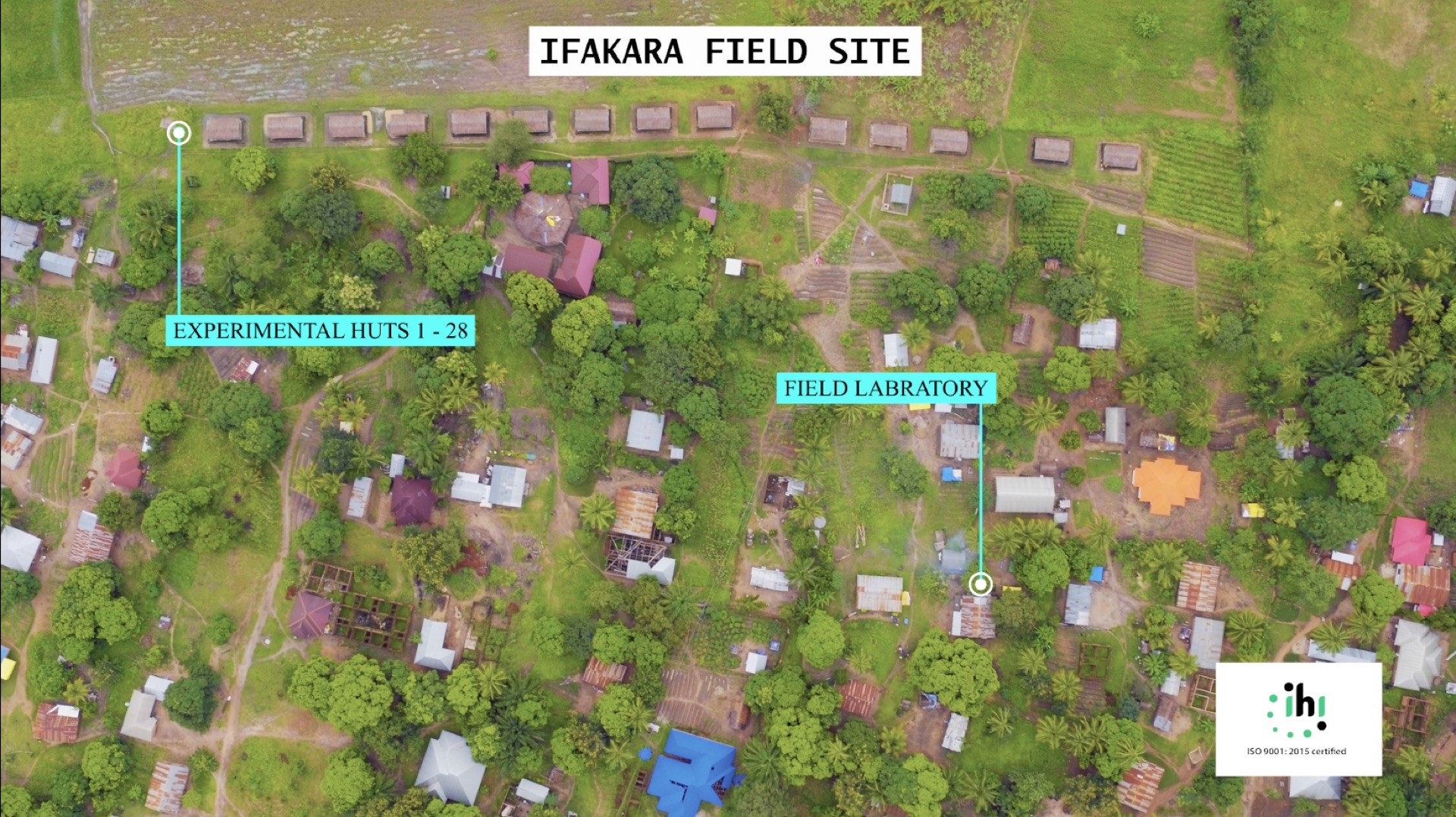
Field Site Experimental Huts
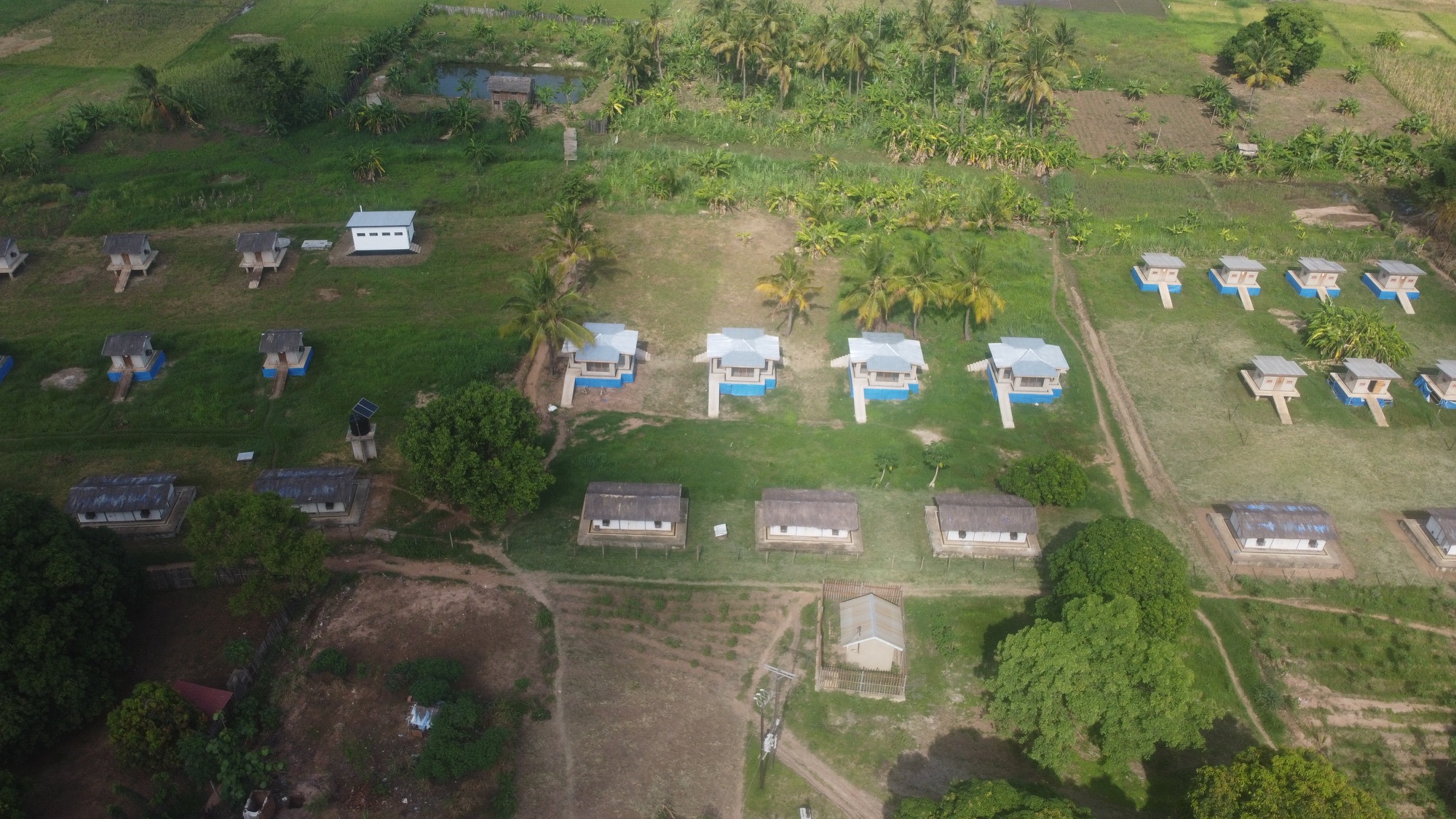
Aerial view of the experimental hut field site
Ifakara Ambient Chamber Test (IACT)
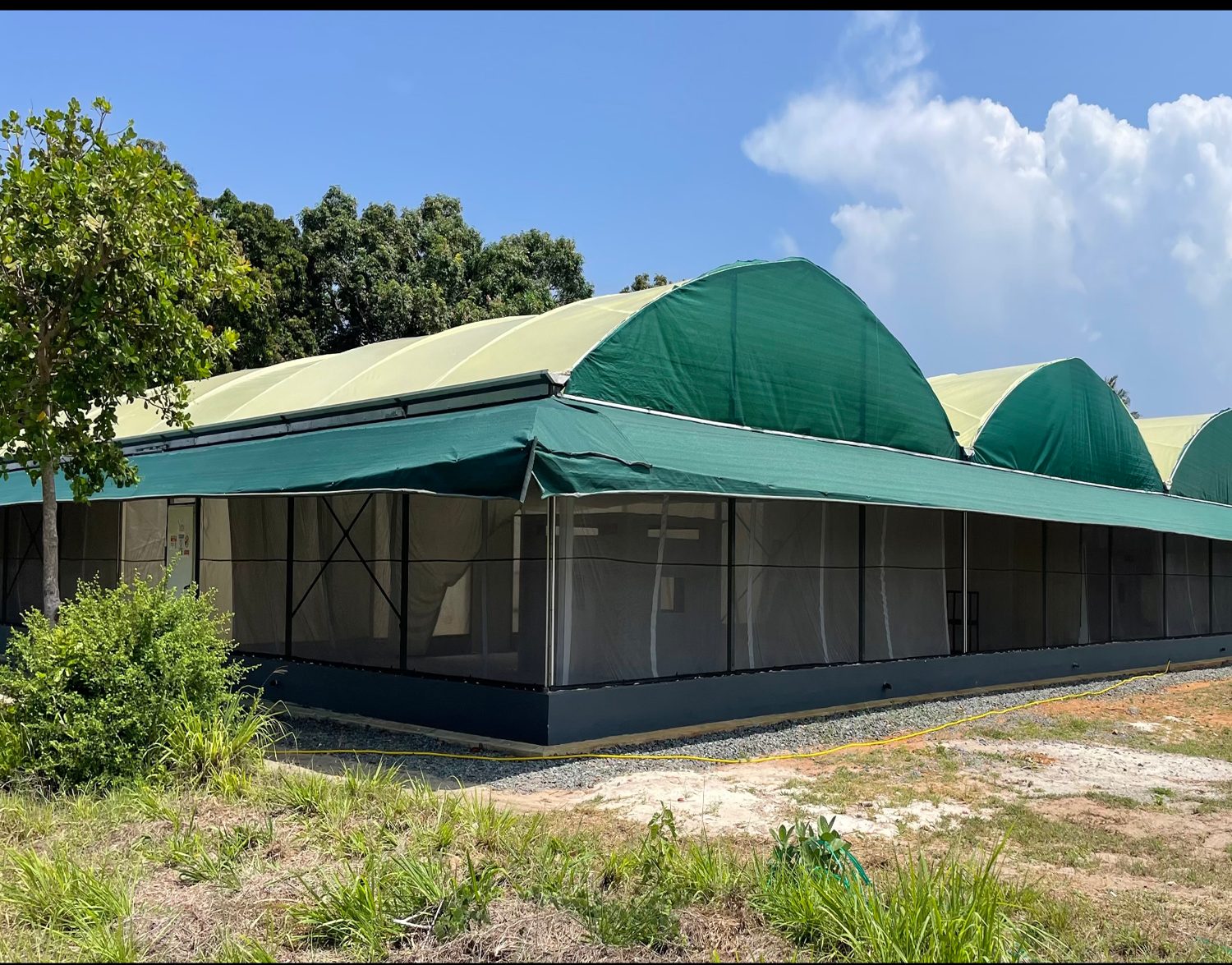
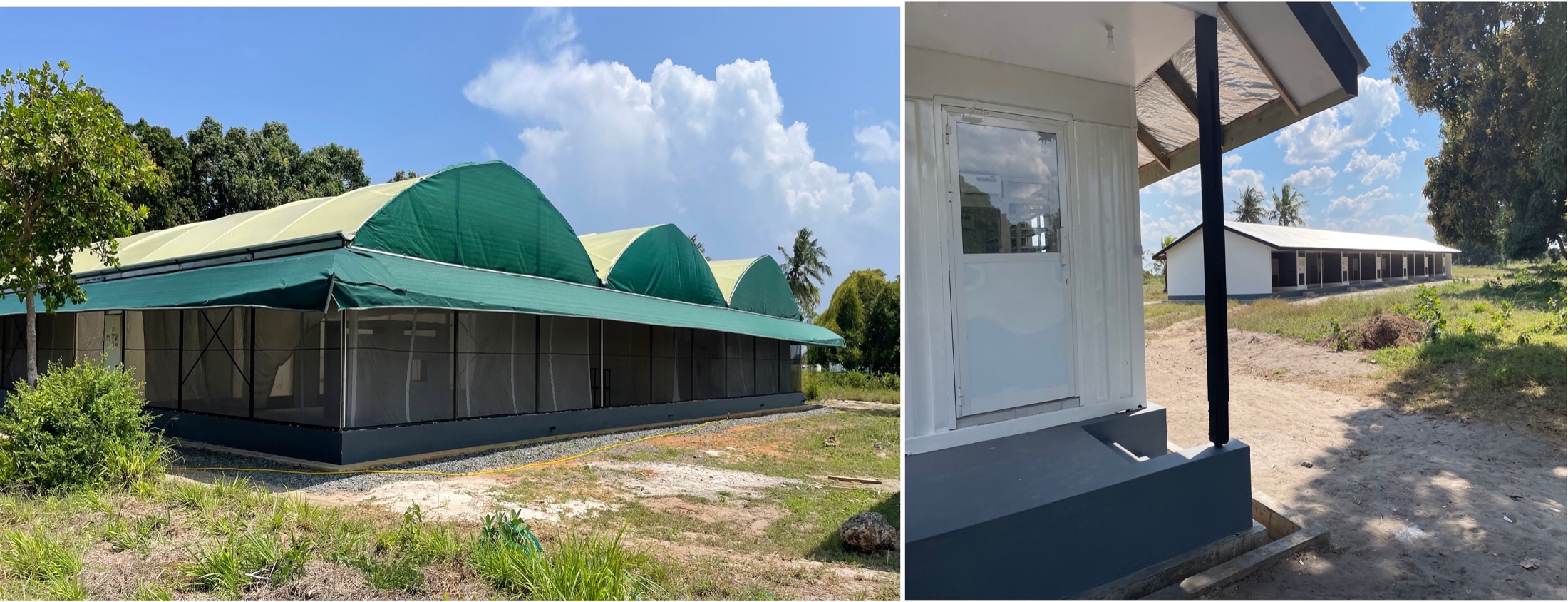
Aerial view of the IACT chambers
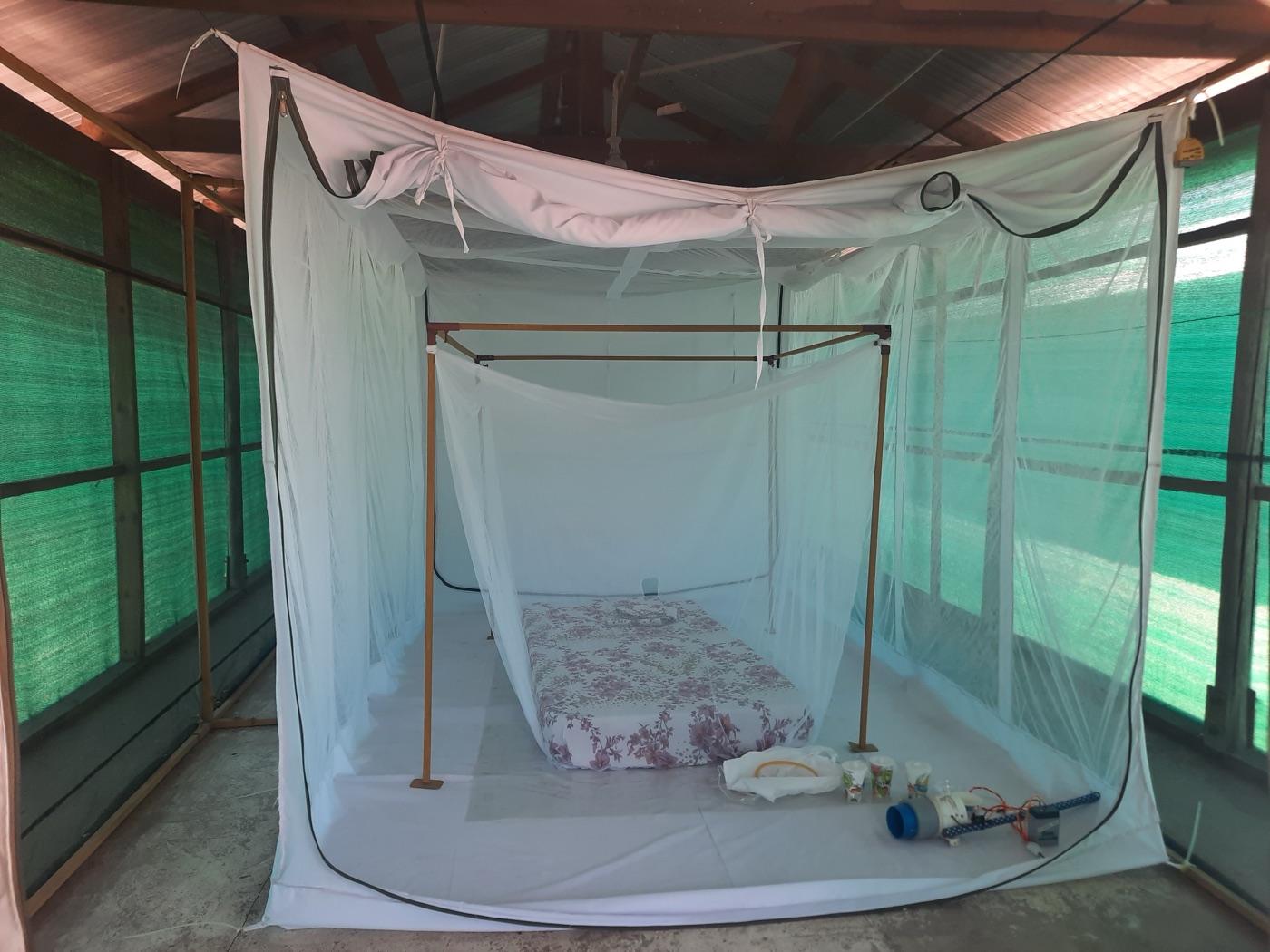
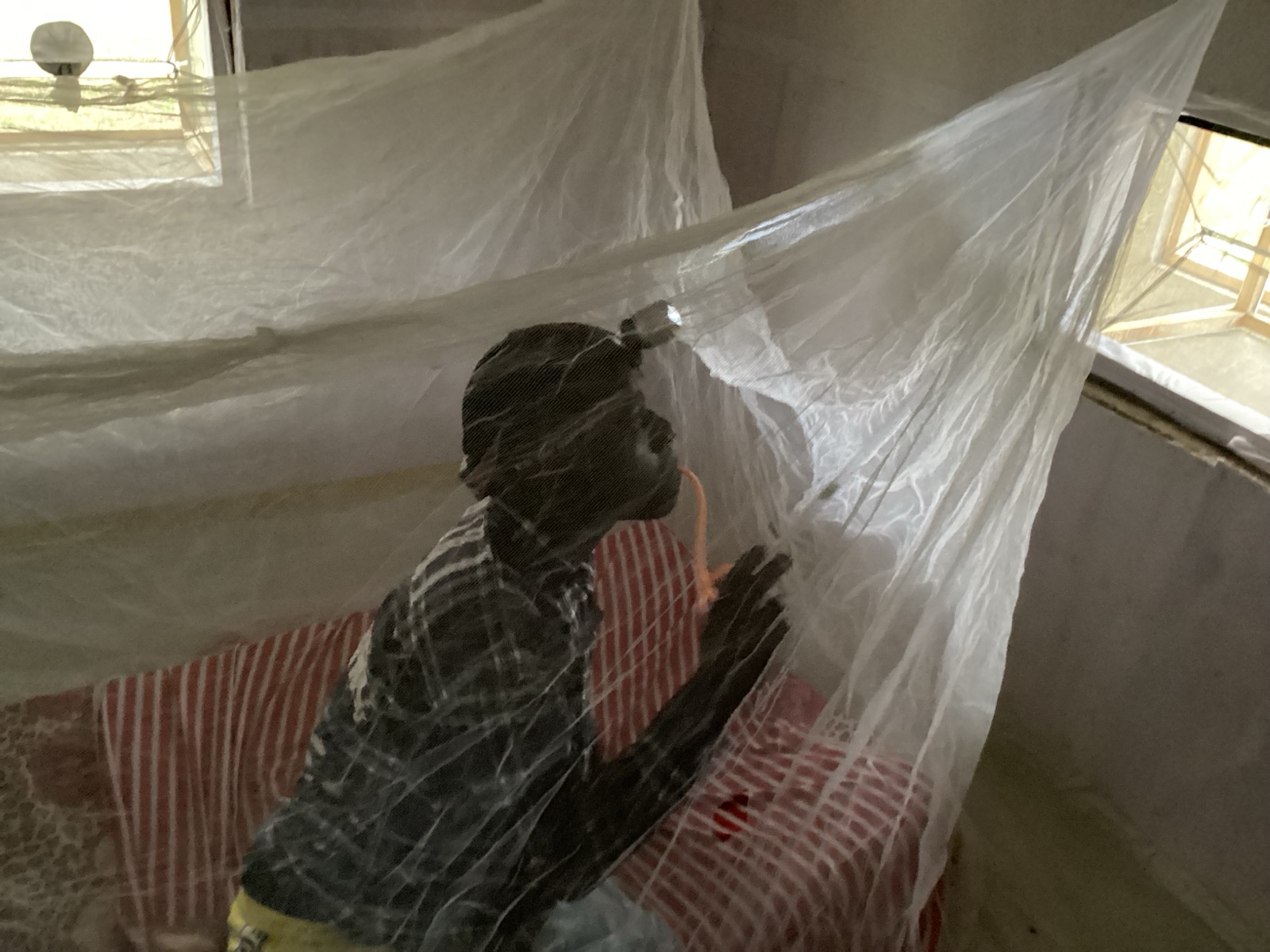
IACT chamber interior — bednet test setup
Semi-Field System
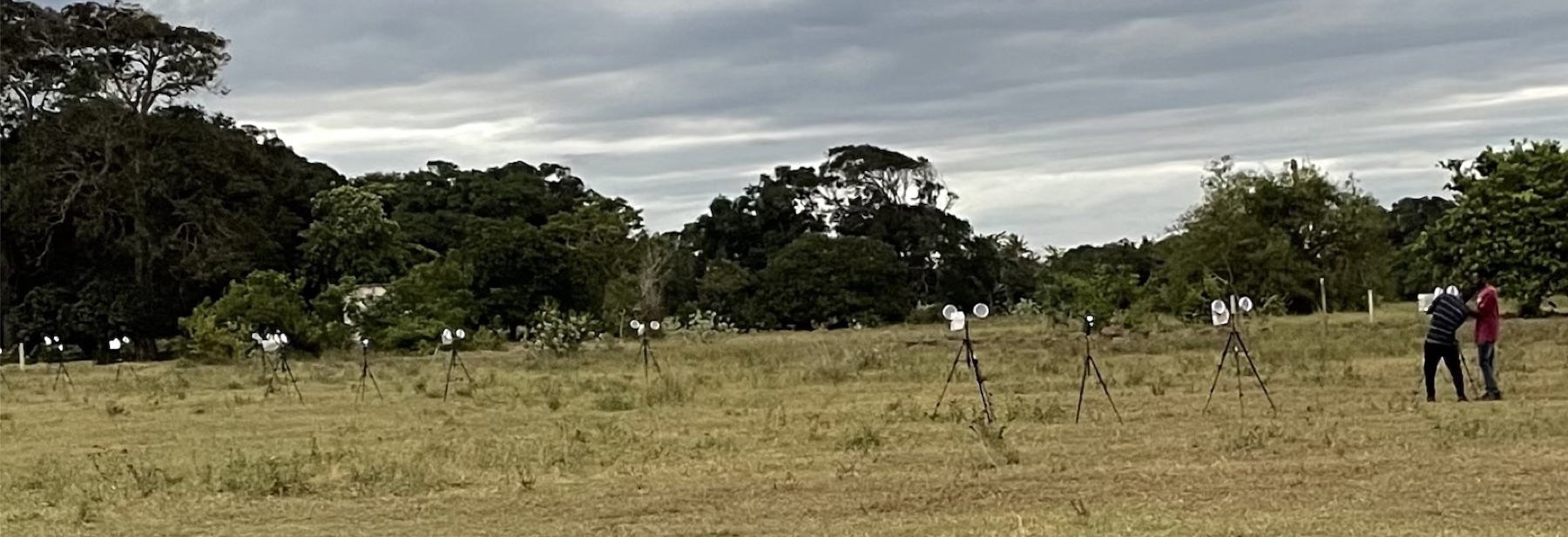
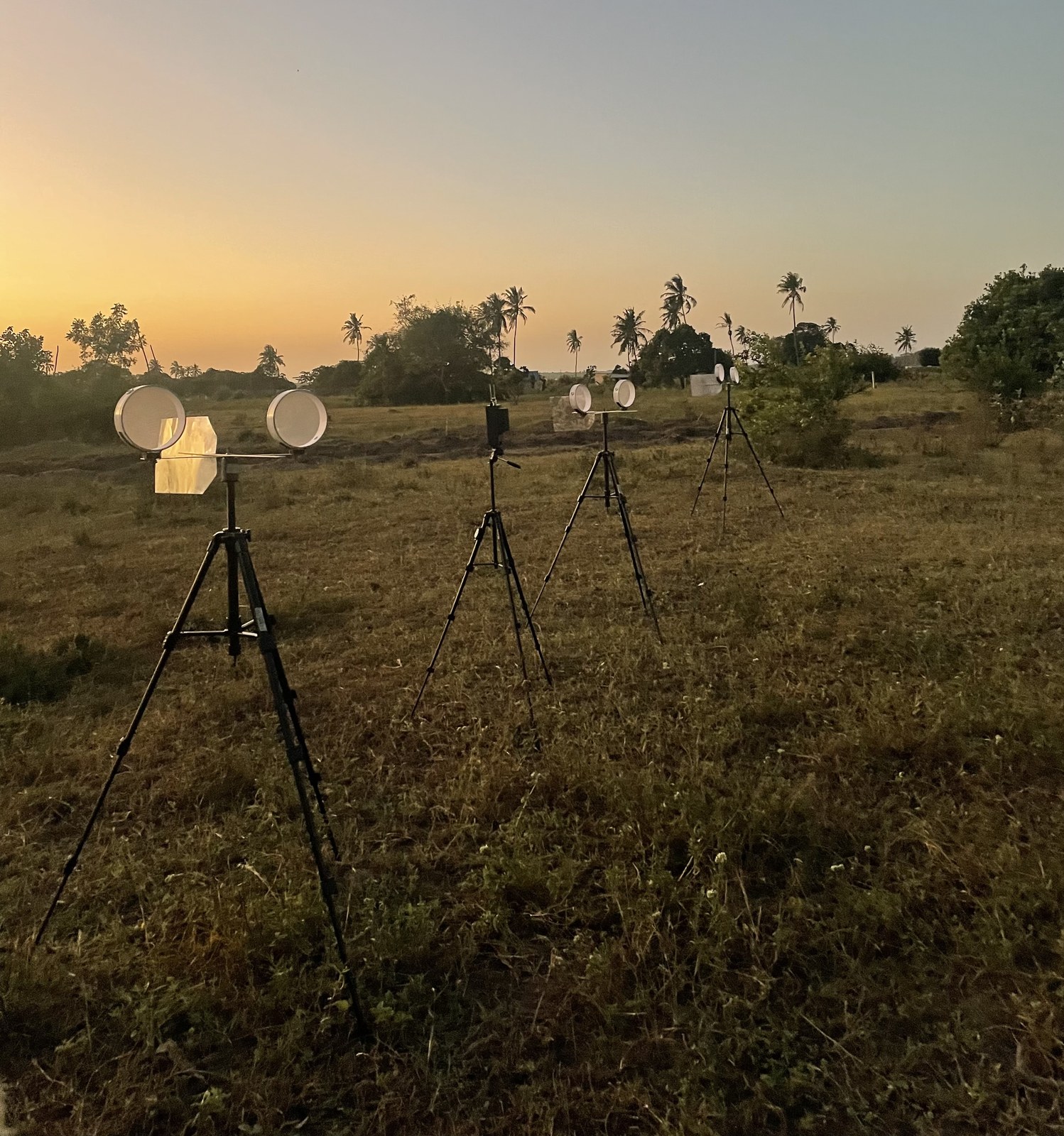
Semi-field system for spatial emanator evaluation

Our Services

We evaluate IRS, ITNs, larvicides, space sprays, spatial emanators, personal protection products, and mosquito lures using internationally standardised methods. We also develop new testing methods and provide data analysis and report writing.

Insecticide-treated net testing

Insecticide-Treated Nets (ITNs)

Laboratory, semi-field and community evaluation of ITNs across all insecticide chemistries, from WHO bioassays through experimental hut trials and field durability studies.

  • Research and development (R&D)
  • WHO cone & tunnel bioassays
  • Ifakara Ambient Chamber Test (IACT)
  • Regeneration & wash resistance studies
  • Field experimental hut trials
  • Durability studies
Leads: , ,
Indoor residual spraying

Indoor Residual Spraying (IRS)

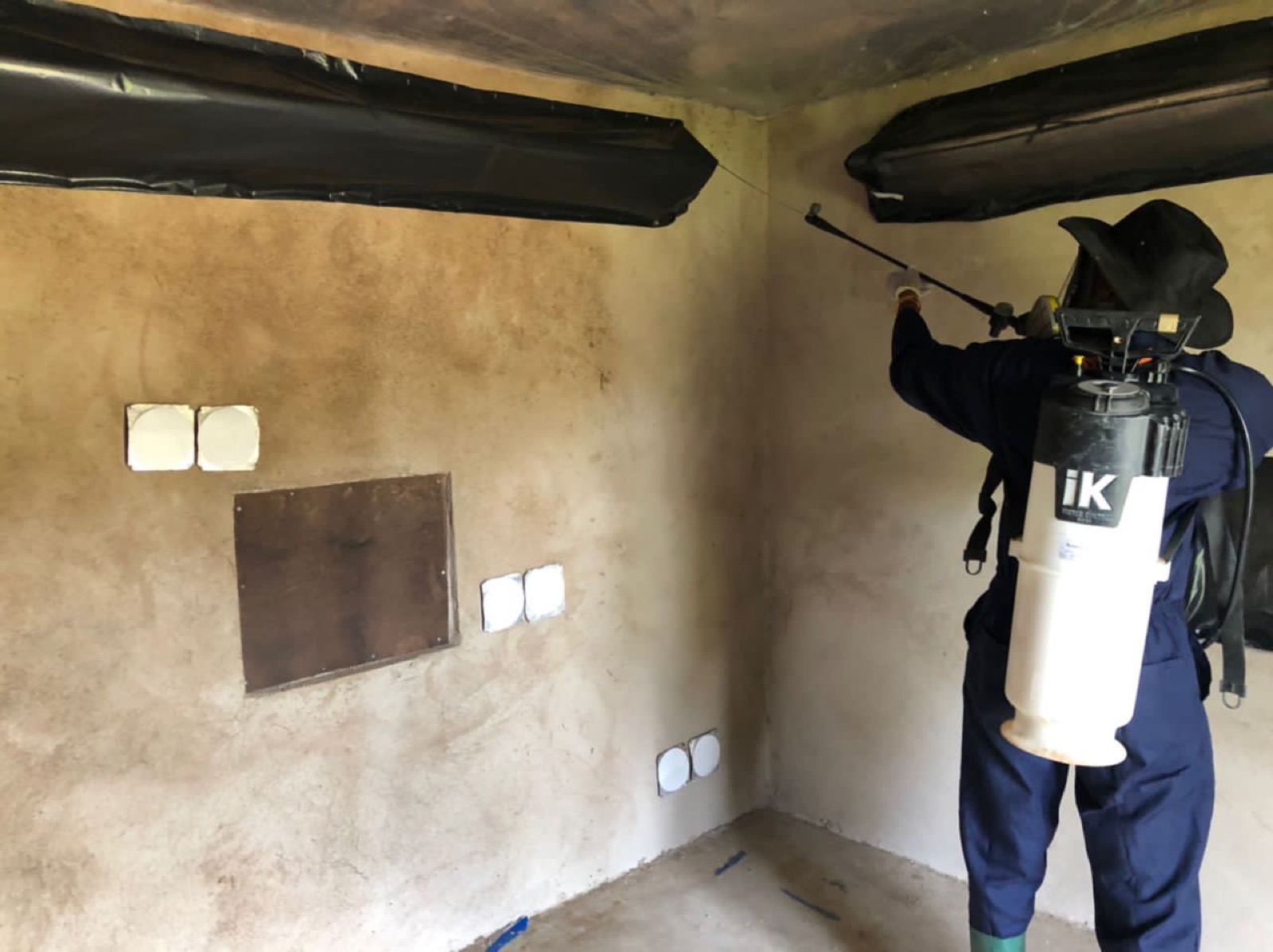
Laboratory assessments and experimental hut evaluations of IRS formulations.

  • Research and development (R&D)
  • Discriminating concentration tests
  • Residual efficacy on local substrates
  • Experimental hut evaluation
  • Community-level studies
Lead:
Spatial emanator semi-field system

Spatial Emanators

Laboratory, free-flying and semi-field evaluation of spatial emanators, personal protection products, and novel repellent devices.

  • Research and development (R&D)
  • Lab studies
  • Semi-field system trials (SFS)
  • Experimental hut studies
Lead:
Larval rearing and larvicide testing

Larvicides

Laboratory, semi-field, and controlled field evaluations of biological and chemical larvicides.

  • Research and development (R&D)
  • Laboratory evaluation
  • Semi-field evaluation
  • Larvicide field efficacy
  • Controlled small-scale field trials
Lead:
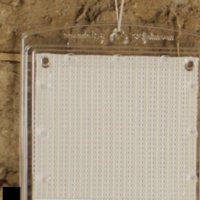
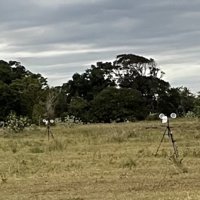
Mosquito trapping in the field

Mosquito Lures

Semi-field and field evaluation of lure and kill devices for outdoor vector control.

  • Research and development (R&D)
  • Semi-field system evaluation
  • Small-scale field studies
Lead:
Mosquito colony in the insectary

Malaria Transmission Blocking

The BSL-3 Malaria Transmission Laboratory supports clinical trials to evaluate transmission-blocking interventions — vaccines, antimalarial drugs, insecticides, and endectocides.

  • Direct membrane feeding assays (DMFA)
  • Standard membrane feeding assays (SMFA)
  • Direct skin feeding assay (DSF)
  • Microscopic and molecular detection of Plasmodium oocysts and sporozoites
Lead:
Space spray field evaluation

Space Sprays

Semi-field evaluation of space spray formulations for indoor and outdoor vector control.

  • Research and development (R&D)
  • Semi-field system studies
  • Experimental hut trials
Lead:

Our Testing Portfolio

VCPTU offers end-to-end evaluation across all major vector control product classes, from laboratory screening through large-scale field trials.

Product Class Laboratory Experimental Hut Semi-Field
Bioassays
Community
Entomological Trial
Clinical
Trials
BSL-3
Biosafety
Insecticide-Treated Nets (ITN) ✓ ✓ ✓ ✓ — —
Indoor Residual Sprays (IRS) ✓ ✓ ✓ ✓ — —
Spatial Emanators ✓ ✓ ✓ ✓ — —
Larvicides ✓ — ✓ — — —
Mosquito Lures — — ✓ ✓ — —
Space Sprays ✓ ✓ ✓ — — —
Malaria Transmission Blocking ✓ — — — ✓ ✓

✓ = VCPTU has full capacity  ·  — = not applicable for this product class

Novel Methodologies Developed at VCPTU

In addition to standard WHO evaluation guidelines, VCPTU has developed and validated in-house methodologies that address key gaps in insecticide-treated net bioefficacy assessment — improving throughput, reducing variability, and enabling accurate evaluation of next-generation products. VCPTU is also unique in operating all four standard experimental hut designs — Ifakara, Rapley, East African, and West African — at a single field site.

VCPTU Innovation

Ifakara Ambient Chamber Test (IACT)

A semi-field whole-net bioassay that evaluates complete ITNs under conditions closely simulating real sleeping environments — using a human host and free-flying mosquitoes over a natural 12-hour nocturnal exposure. Developed as a higher-throughput alternative to experimental hut trials.

  • 50 m × 3 m × 2.1 m tunnel structure with 10 individual test chambers
  • Human-baited exposure — reflects authentic mosquito host-seeking behaviour
  • Measures mortality and blood-feeding inhibition simultaneously
  • Developed to evaluate the interaction between ITN fabric (damage) and chemistry
  • Designed to do ITN durability monitoring
  • 99% mosquito recapture rate; high statistical power
  • Useful for field-aged nets
VCPTU Innovation

Miniature Experimental Hut (MEH)

A novel semi-field bioassay developed at VCPTU for evaluating IRS pro-insecticides such as chlorfenapyr. Because chlorfenapyr requires metabolic activation by free-flying, host-seeking mosquitoes, standard WHO cone and cylinder tests — which confine and restrict movement — severely underestimate its efficacy. The MEH provides an ecologically realistic, controlled exposure environment by housing miniature huts with treated wall panels inside the IACT tunnel, with a rabbit as host bait for overnight free-flying exposure.

  • Compact hut (120 × 112 × 75 cm) with two 30 × 30 cm entry/exit openings, fitted within IACT compartments
  • Surface-area-to-volume ratio of 3.3 — approximately double that of standard experimental huts — maximising mosquito contact with treated surfaces
  • Restrained rabbit as host (18:00–09:00 h), covering nocturnal host-seeking peaks of Anopheles and Culex
  • Overnight free-flying exposure; mortality recorded at 24 h intervals up to 168 h post-exposure
  • Validated for mud, wood, and concrete substrates against multiple pyrethroid-susceptible and -resistant malaria vectors
Key publication: Machange et al., Insects 2026
VCPTU Innovation

Complete Series Method (CSM)

A novel approach to ITN regeneration time (RT) assessment that substantially reduces daily heterogeneity caused by mosquito batch variability. In the conventional WHO longitudinal method, RT is measured across multiple testing days with different mosquito cohorts — introducing inter-batch noise. The CSM pre-stages all regeneration time points, then tests the complete series in a single day using one mosquito batch.

  • All regeneration stages (1, 2, 3, 5, 7 days post-wash) prepared in advance and refrigerated
  • Complete series tested on one day with a single, consistent mosquito cohort
  • Reduces variance nearly twofold versus the WHO longitudinal method
  • Flexible scheduling — replicates need not run on consecutive days
  • Equivalent sample sizes to traditional methods; no loss of statistical power
  • Applicable to any ITN formulation undergoing durability monitoring
Key publication: Lugenge et al., Parasites & Vectors 2024

VCPTU Facilities

Experimental Hut Types

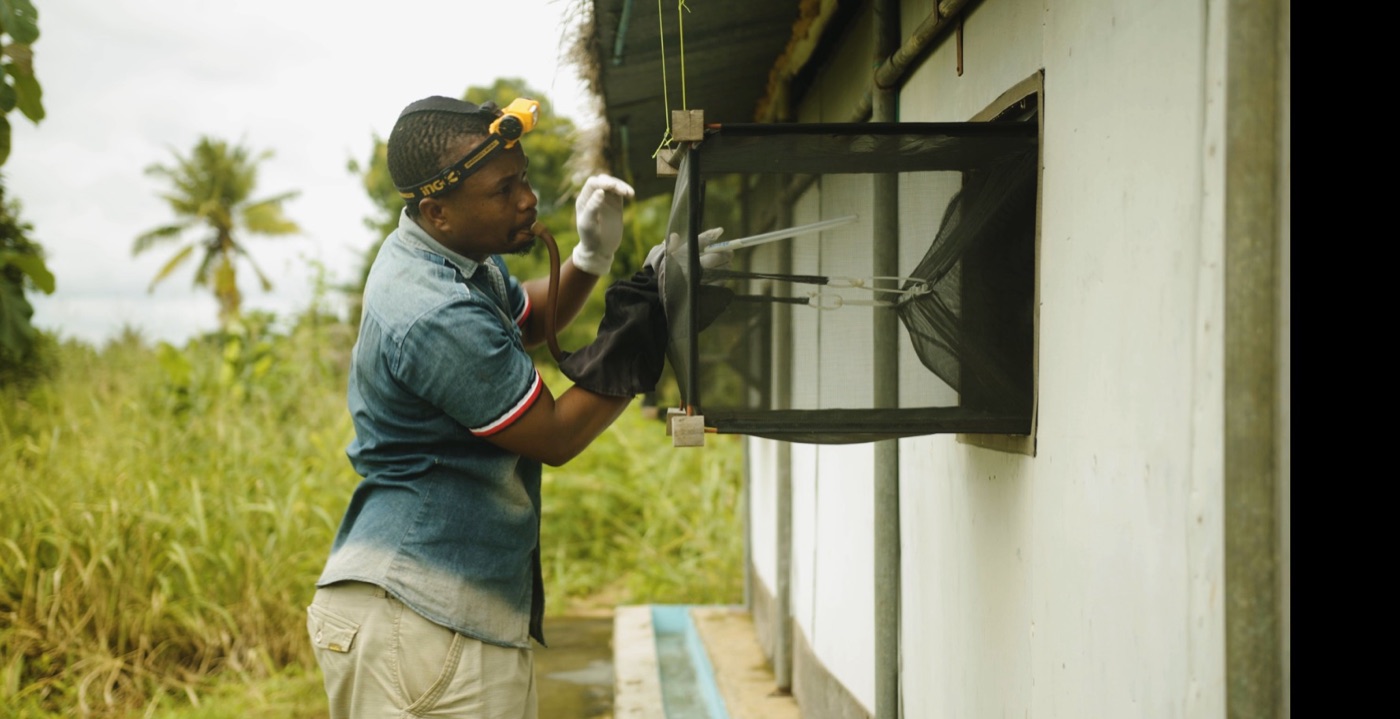
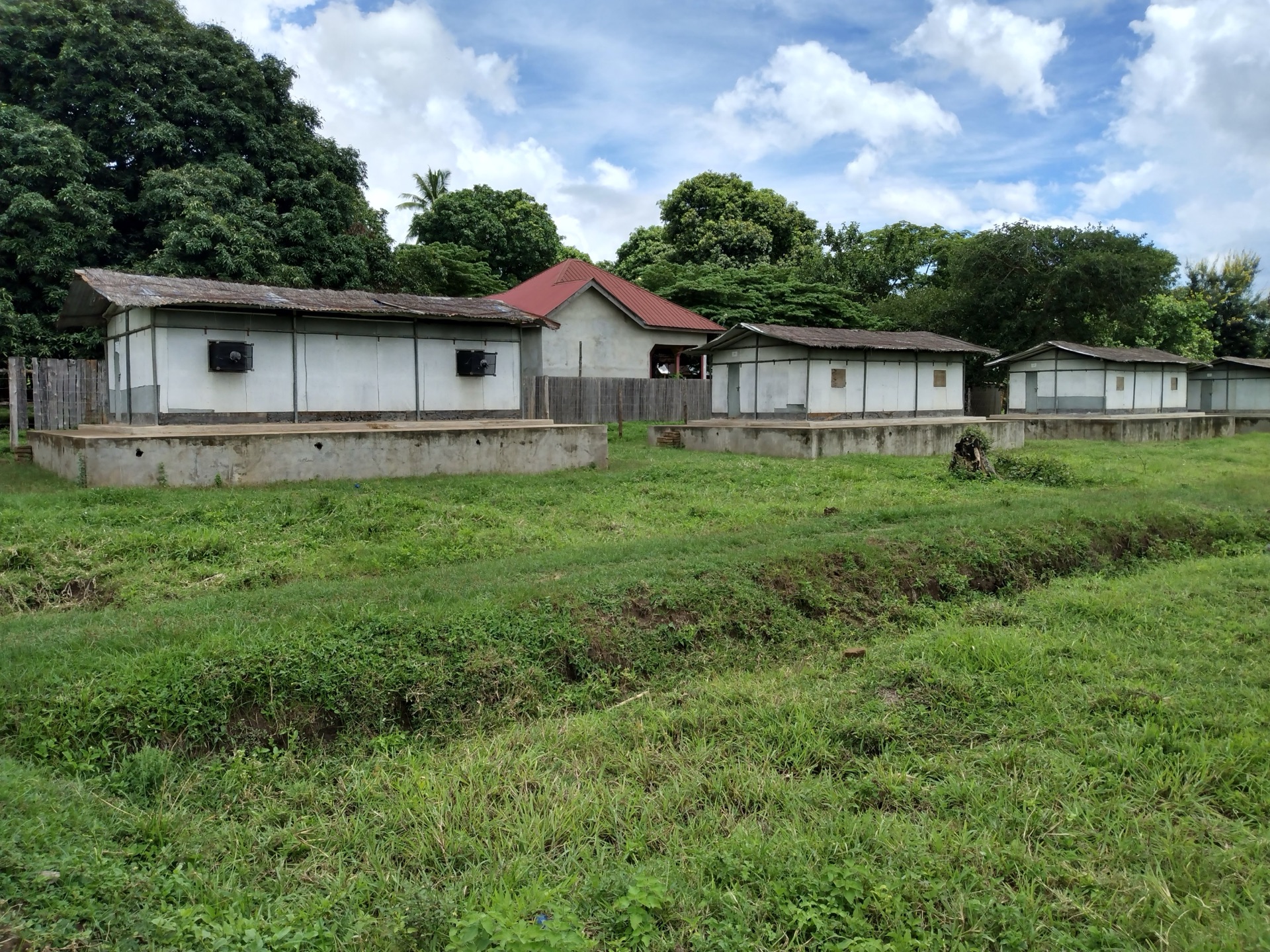
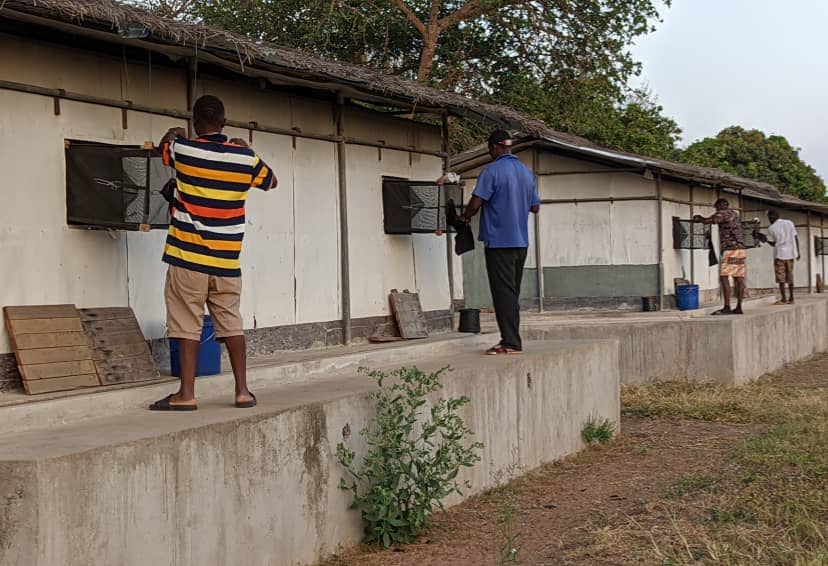
Technician collecting mosquitoes from a window exit trap on an Ifakara experimental hut Ifakara huts — row of huts at field site

Ifakara Huts (n = 30)

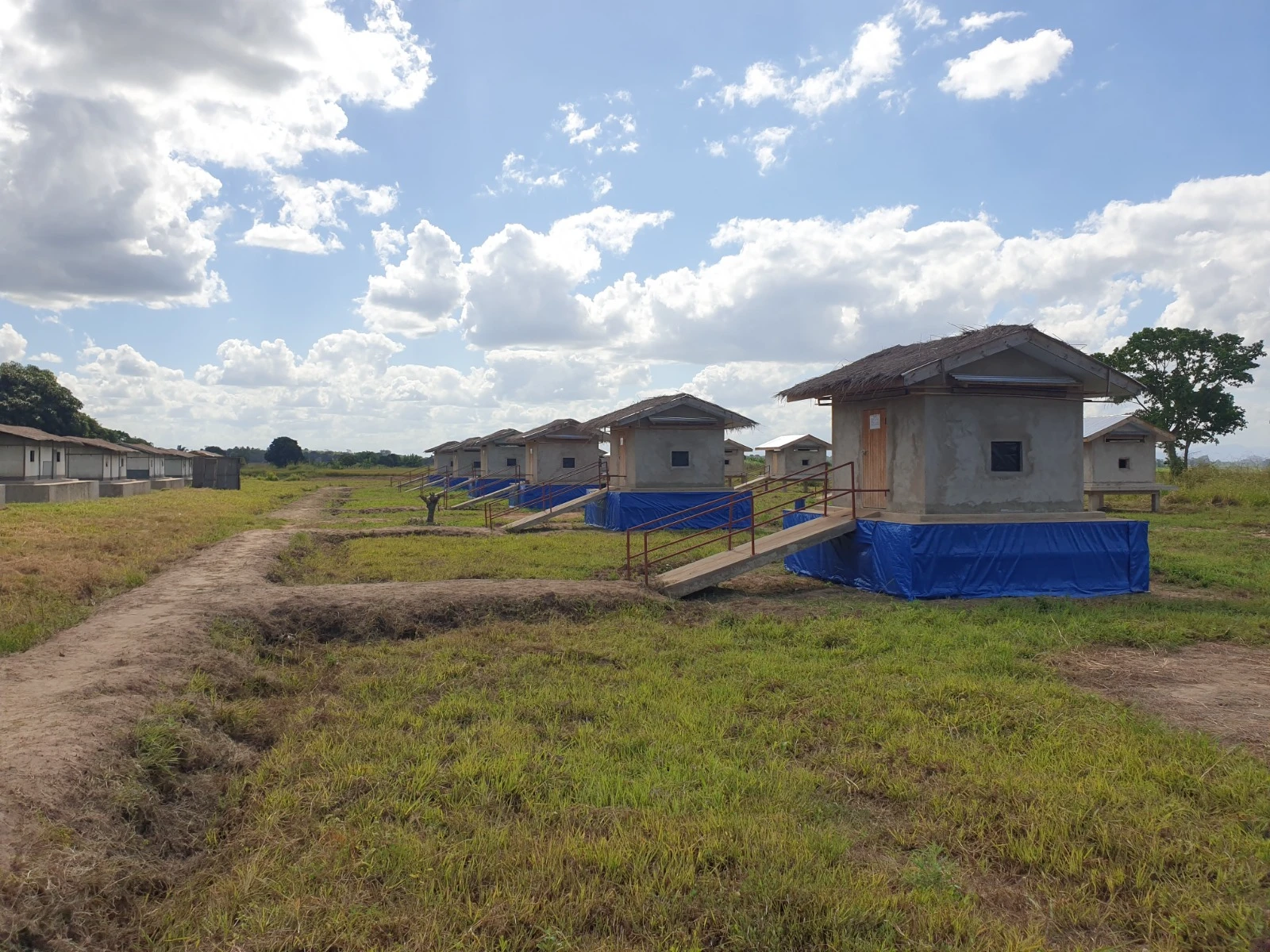
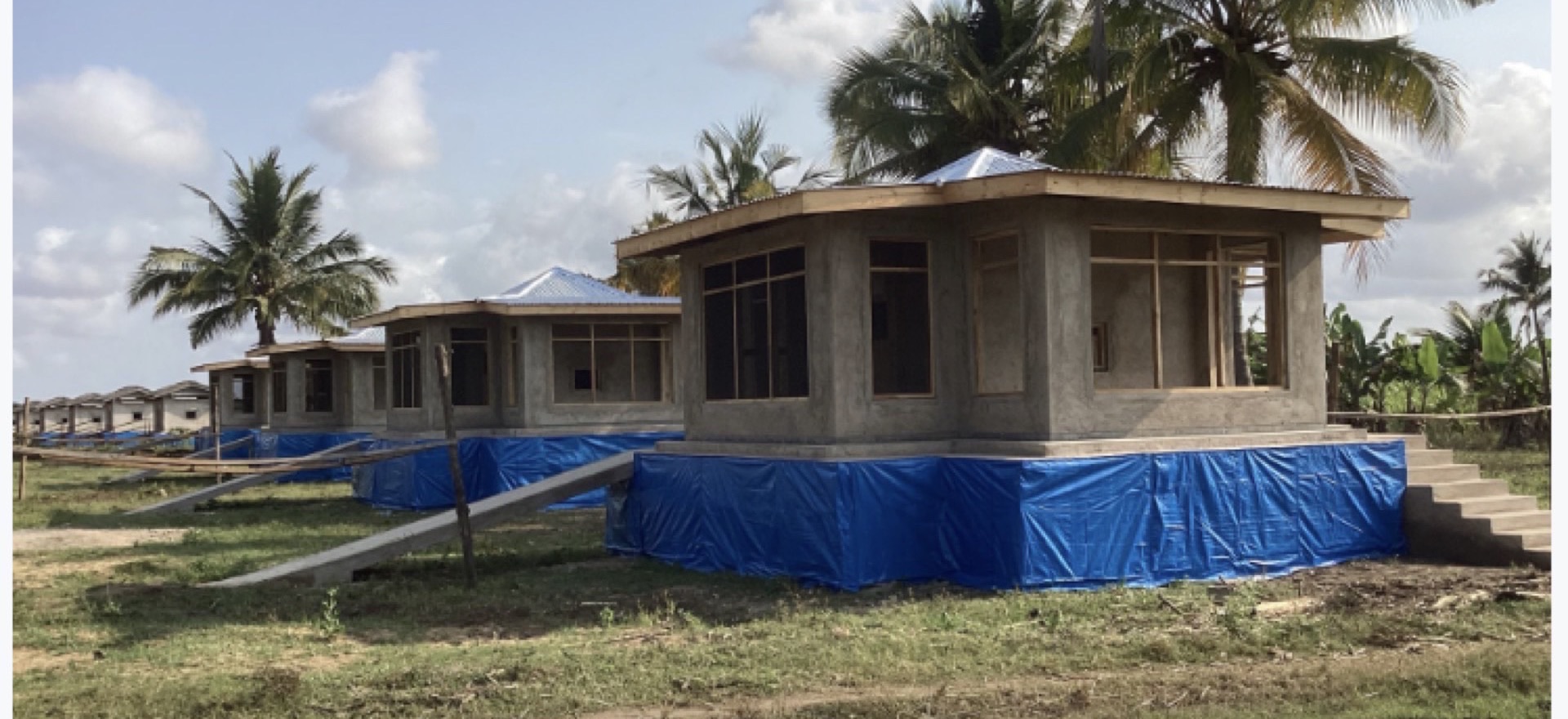
Each hut measures 3.25 × 3.5 × 2 m with brick walls lined with mud and a corrugated iron roof overlaid with thatch; the ceiling is corrugated iron lined with foil. Entry is via eave openings (300 × 10 cm) on three sides that funnel to a 300 × 5 cm slit — a total entry area of 4,500 cm² — directing mosquitoes inward. Exit is through four window exit traps (240 cm² total); re-entry is not possible. One volunteer sleeper per hut. Ifakara huts catch on average three times more mosquitoes than East African or West African hut designs (Govella et al., PLoS ONE 2010). Used primarily for ITN evaluations and also deployed for spatial emanator efficacy studies.

Rapley huts at Lupiro field site

Rapley Huts (n = 18)

First described by Rapley (1961) and adapted for East African conditions. Each hut measures 2.5 × 2.5 × 2 m with concrete-block walls and a corrugated iron roof overlaid with thatch; the ceiling is corrugated iron lined with plastic sheeting. Entry is via eave openings (200 × 15 cm) on four sides funnelling to a 200 × 3 cm slit — total entry area 2,400 cm². Exit is through window exit traps (320 cm² total); re-entry is not possible. One volunteer sleeper per hut. Well-suited for evaluating insecticide-treated nets (ITNs), Indoor Residual Spray (IRS) formulations, and spatial emanators. Operated at the Lupiro (Ulanga) field site.

West African style huts East African style huts — concrete block with verandah traps

West African & East African Style Huts (n = 8 & 4)

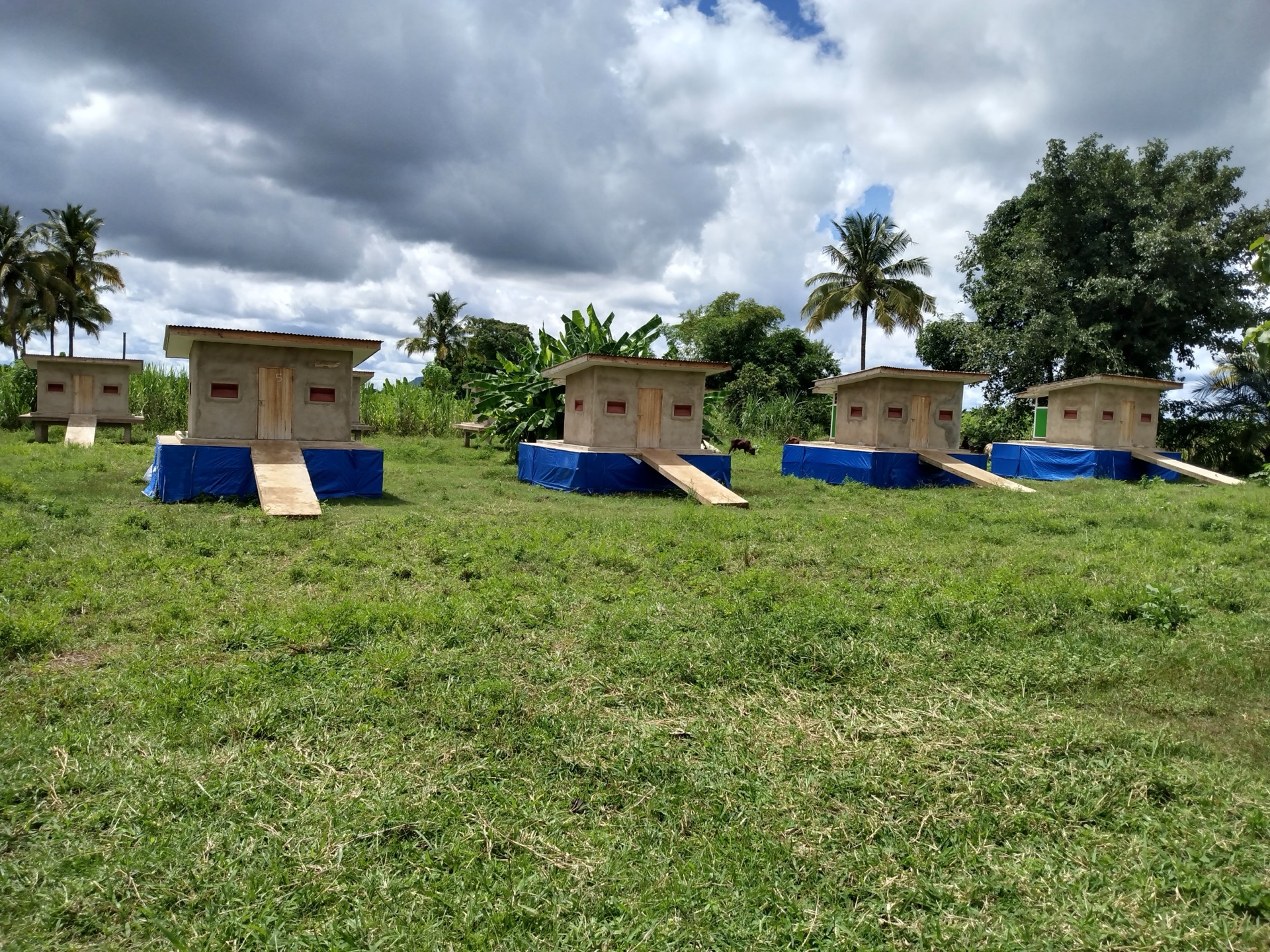
East African huts (3 × 3 × 2 m) have brick walls lined with mud and a corrugated iron roof; the ceiling is wood lined with hessian or plastic sheeting. Entry is via eave openings (140 × 20 cm) on each wall funnelling to a 20 × 5 cm slit on two sides (total entry area 400 cm²). Exit is through both a verandah trap and window exit traps (880 cm² total); re-entry is not possible — a design in use in Tanzania since 1963 (Smith, 1965). West African huts (2.5 × 1.75 × 2 m) have concrete-block walls and a corrugated iron roof lined with plastic sheeting. Entry is via four slits (1 × 60 cm; two at the front, one on each side; total 240 cm²). Exit is through a verandah (225 cm²); notably, re-entry is possible, distinguishing this design from all others.

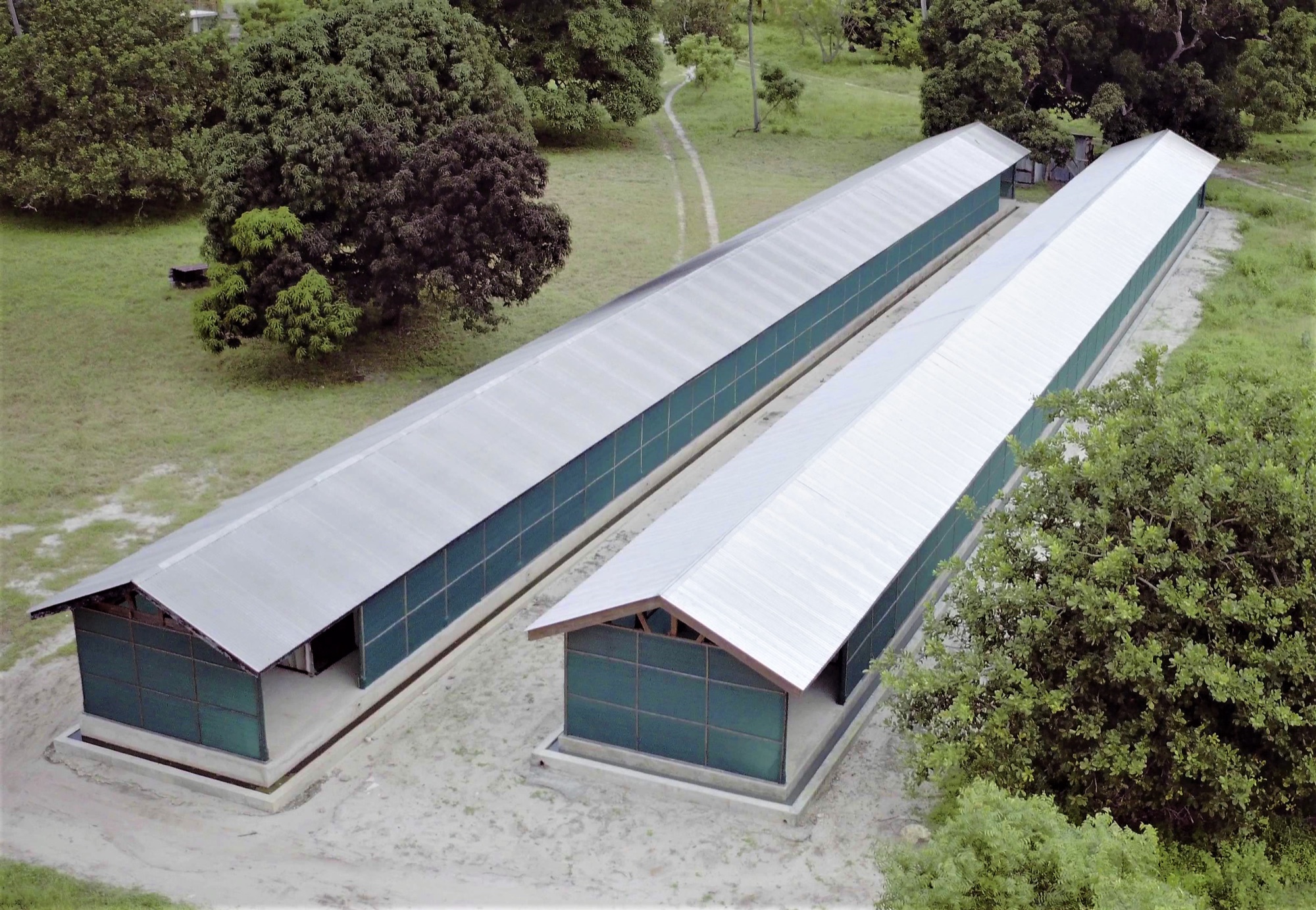
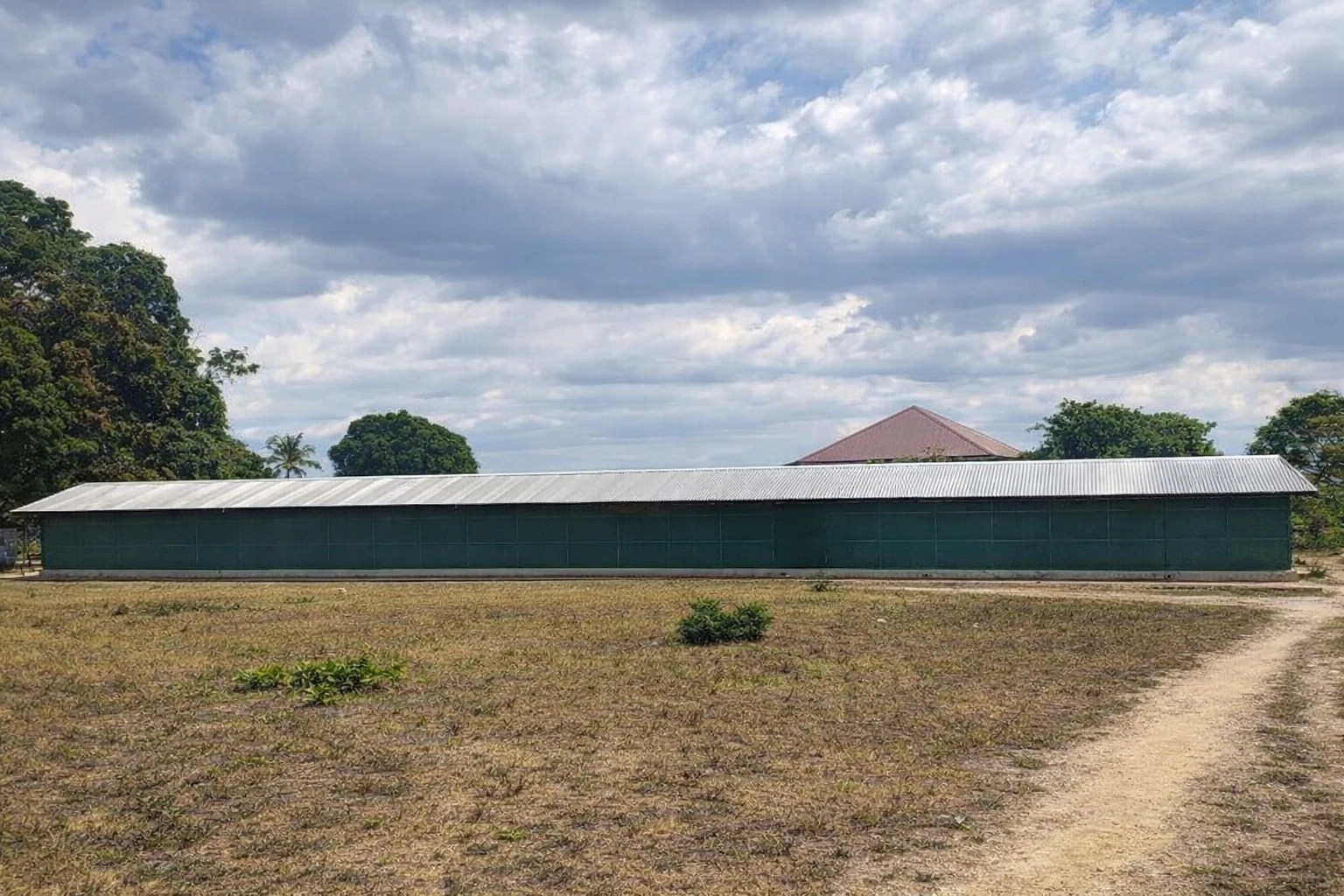
Aerial view of the Ifakara Ambient Chamber Test (IACT) chambers — Bagamoyo
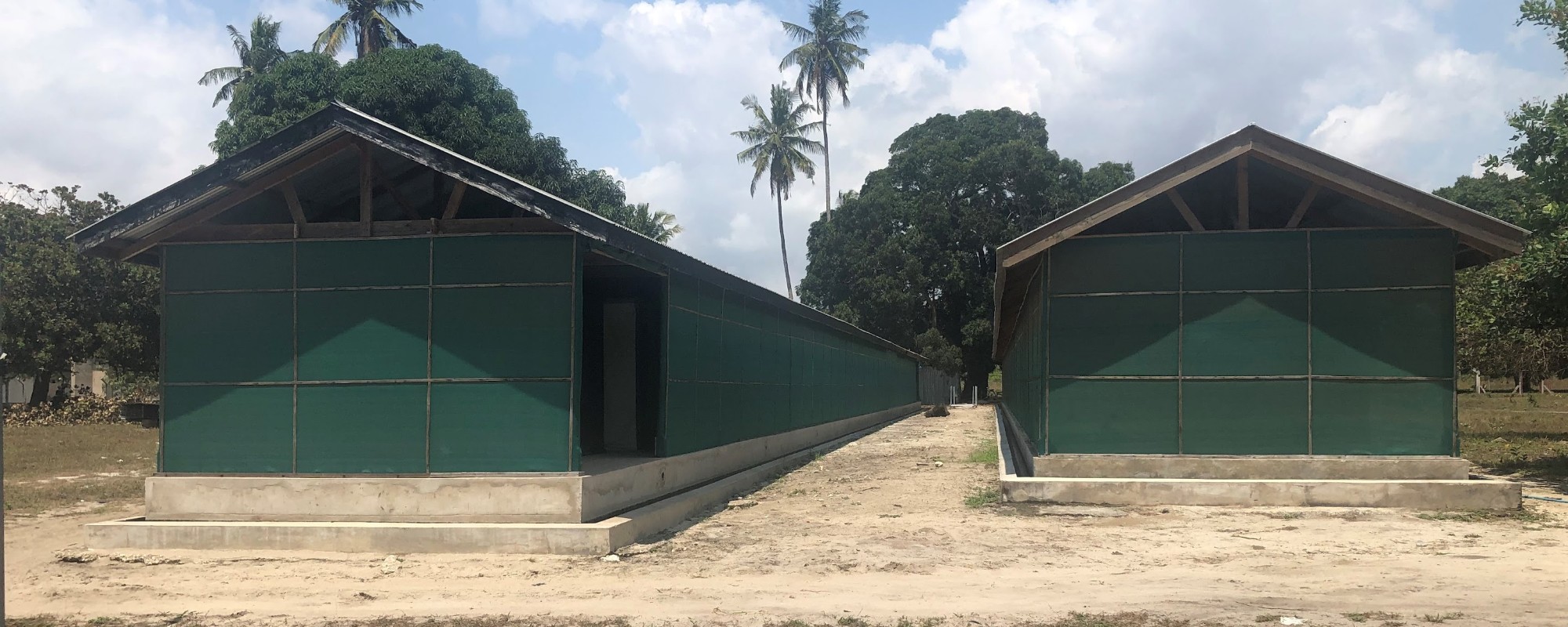
IACT chamber interior — bednet test setup Semi-field system — Bagamoyo
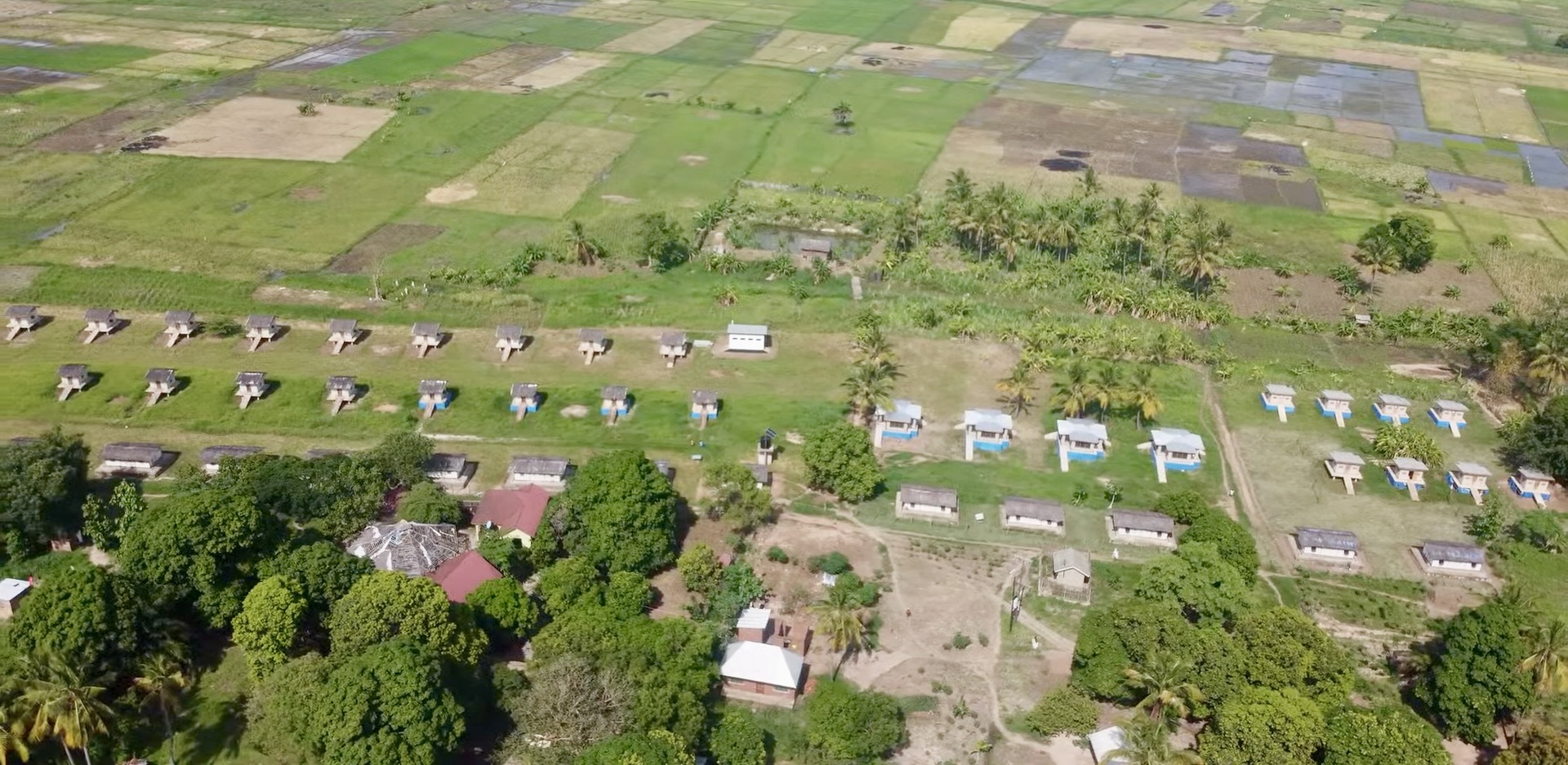
Aerial view of the Lupiro experimental hut field site

30 Ifakara Ambient Chamber Tests (IACT)

A novel ITN bioassay system developed and externally validated. The IACT uses a net-covered tunnel under ambient conditions, allowing examination of the interaction between ITN fabric and chemistry using free-flying mosquitoes.

8 Semi-Field Systems (SFS)

Large screened enclosures at the Bagamoyo site that simulate outdoor peridomestic environments. Used for controlled evaluation of spatial emanators, traps/lure-and-kill, and other outdoor vector control tools against colonised and wild mosquitoes under ambient conditions.

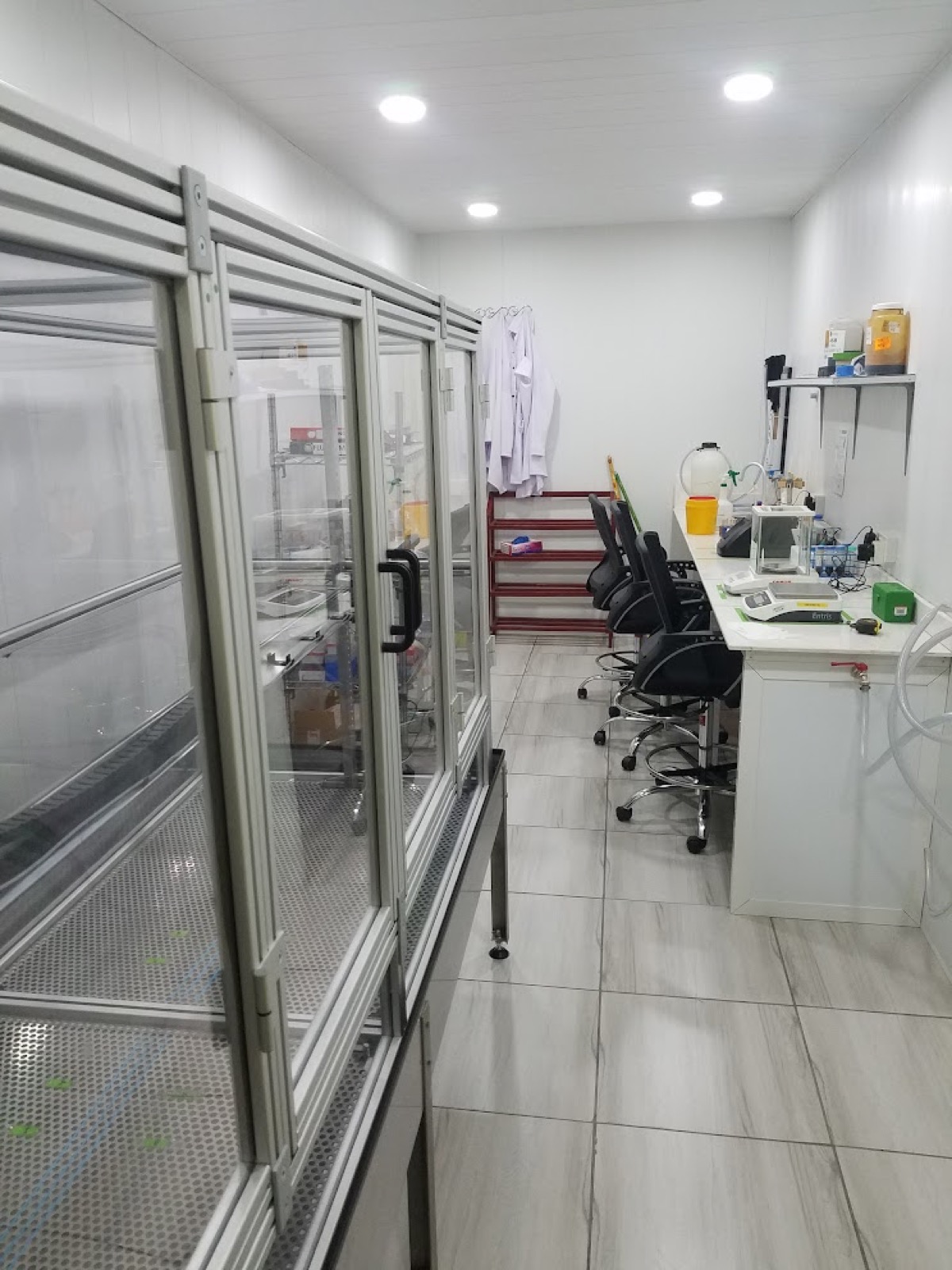
Molecular Biology Laboratory

Fully equipped molecular laboratory for species identification (PCR), insecticide resistance mechanism profiling (kdr, ace-1), Plasmodium detection by ELISA and PCR.

Insectary & Mosquito Colonies

Produces over 5 million disease-free mosquitoes per year across 10 colony strains. Species maintained: An. gambiae s.s. (Kisumu, Ifakara — susceptible; Muleba Kis — pyrethroid resistant), An. arabiensis (Dongola — susceptible; Kingani — pyrethroid resistant), An. funestus (FUMOZ — pyrethroid resistant), Aedes aegypti (Kingani — susceptible; Kinondoni — pyrethroid resistant), and Culex quinquefasciatus (Bagamoyo — pyrethroid resistant).

Experimental hut site — Lupiro (Ulanga)

Lupiro village (Ulanga District) hosts 60 experimental huts (30 Ifakara, 18 Rapley, 4 East African, and 8 West African style) — alongside a dedicated field laboratory, operating in high An. arabiensis density all year round.

Mosquito Species & Resistance Profiles

Species Strain Origin Established Pyrethroid Carbamates Organophosphates Chlorfenapyr
Anopheles gambiae s.s. Kisumu KEMRI Kenya 2021 S S S S
Ifakara Kilombero field collections 1996 S S S S
Muleba Kis KCMC Moshi 2025 R S S S
Anopheles arabiensis Dongola Transmission Zero Tanzania 2026 S S S S
Kingani S. Tanzania field collections 2011 R (m) S S S
Lupiro (field) F0 larval collections, Lupiro 2026 R (m) S S S
Anopheles funestus FUMOZ NICD South Africa 2021 R (m) S S S
Aedes aegypti Kingani Bagamoyo field collections 2015 S S S S
Kinondoni Dar es Salaam field collections 2023 R (m) S R S
Culex quinquefasciatus Bagamoyo Bagamoyo field collections 2019 R (m) S S S

S = susceptible · R = resistant · R (m) = metabolic resistance

Selected Key Publications

VCPTU team publish an average of 10 peer-reviewed articles per year in leading journals.

  1. Mvungi NJ, Odufuwa OG, Ruzige PD, Muganga JB, Mmasi DJ, Machange JJ, Kamande DS, Madumla EP, Moore JD, et al., Moore SJ, Mbuba E (2025). Fabric integrity, net type and risk index predict attrition of insecticide-treated nets: evidence from a community durability trial of pyrethroid-piperonyl butoxide (PBO) nets in Tanzania. Malaria Journal.
  2. Machange JJ, Mbuba E, et al., Moore SJ (2024). Comparative efficacy of Vector Guard® to Olyset® Plus insecticide-treated nets against strongly pyrethroid-resistant Anopheles arabiensis in experimental huts in Tanzania. Frontiers in Malaria.
  3. Assenga A, Moore SJ, Mbuba E, Swai JK, Odufuwa OG, Machange JJ, et al. (2025). PRONet Duo insecticide-treated net incorporated with chlorfenapyr and bifenthrin is superior to Interceptor® G2 nets against pyrethroid-resistant Anopheles gambiae s.l.: a randomized experimental hut trial in Côte d'Ivoire and Tanzania. Frontiers in Malaria.
  4. Odufuwa OG, Mbuba E, Ntabaliba W, Philipo R, Mpelepele AB, Moore J, Stevenson JC, Moore SJ (2024). The non-inferiority of piperonyl-butoxide Yorkool® G3 insecticide-treated nets compared to Olyset® Plus measured by Anopheles arabiensis mortality in experimental huts in Tanzania. Malaria Journal.
  5. Champagne C, Lemant J, Assenga A, Kibondo UA, Mbuba E, et al., Moore SJ, Pothin E (2025). Cascades of effectiveness of next-generation insecticide-treated nets against malaria, from entomological trials to real-life conditions. Nature Communications.
  6. Mboma ZM, Festo C, Lorenz LM, Massue DJ, et al., Moore J, Lines J, Overgaard HJ, Moore SJ (2021). The consequences of declining population access to insecticide-treated nets (ITNs) on net use patterns and physical degradation of nets after 22 months of ownership. Malaria Journal.
  7. Machange JJ, Mpelepele AB, Tenywa FSC, et al., Moore SJ, Kibondo UA (2026). The Ifakara Ambient Chamber Test (I-ACT) for evaluation of indoor residual sprays: a non-inferiority test of Sylando 240SC and SumiShield 50WG. Insects.
  8. Namango IH, Marshall C, Saddler A, Tenywa F, Odufuwa OG, et al., Moore J, Moore SJ, Hetzel MW (2022). The Centres for Disease Control light trap (CDC-LT) and the human decoy trap (HDT) compared to the human landing catch (HLC) for measuring Anopheles biting in rural Tanzania. Malaria Journal.
  9. Irish SR, Nimmo D, Bharmal J, Tripet F, Müller P, Manrique-Saide P, Moore SJ (2024). A review of selective indoor residual spraying for malaria control. Malaria Journal.
  10. Namango IH, Moore SJ, Marshall C, Saddler A, Kaftan D, Tenywa FC, et al., Moore J, Hetzel MW, Ross A, Dada N, Bei AK (2024). A matter of timing: biting by malaria-infected Anopheles mosquitoes and the use of interventions during the night in rural south-eastern Tanzania. PLOS Global Public Health.
  11. Swai JK, Ntabaliba W, Kibondo UA, Ngonyani S, Tambwe MM, Stevenson JC, Lugenge AG, Moore SJ (2025). SC Johnson Guardian™ spatial repellent shows 1-year efficacy against wild pyrethroid-resistant Anopheles arabiensis, with similar blood-feeding inhibition efficacy to Mosquito Shield™ in a Tanzanian experimental hut trial. Frontiers in Malaria.
  12. Maasayi MS, Swai JK, Muganga JB, Moore J, Stevenson JC, Coleman M, Lobo NF, Moore SJ, Tambwe MM (2025). The BiteBarrier transfluthrin emanator demonstrates significant protection against susceptible and resistant malaria and arbovirus vectors in semi-field trials in Tanzania. PLoS ONE.
  13. Swai JK, Ntabaliba W, Kibondo UA, Ngonyani H, Mseka AP, Moore SJ (2023). Efficacy of the spatial repellent product Mosquito Shield™ against wild pyrethroid-resistant Anopheles arabiensis in south-eastern Tanzania. Malaria Journal.
  14. Swai JK, Moore SJ (2025). Beyond repellents: spatial emanators for the control of malaria in Africa. The Lancet.
  15. Chen I, Miller SL, Msellemu D, Lugenge AG, Swai JK, et al., Tambwe MM, Stevenson JC, Moore SJ (2025). Volatile pyrethroid spatial repellents for preventing mosquito bites: a systematic review and meta-analysis. EBioMedicine.
  16. Meza FC, Tenywa FC, Ashall S, Okumu FO, Moore SJ, Tripet F (2024). Scalable camera traps for measuring the attractiveness of sugar baits for controlling malaria and dengue vectors. Parasites & Vectors.
  17. Maasayi MS, Machange JJ, Kamande DS, Kibondo UA, Odufuwa OG, Moore SJ, Tambwe MM (2023). The MTego trap: a potential tool for monitoring malaria and arbovirus vectors. Parasites & Vectors.
  18. Machange JJ, Maasayi MS, Mundi J, Moore J, Muganga JB, Odufuwa OG, Moore SJ, Tenywa FC (2024). Comparison of the trapping efficacy of locally modified Gravid Trap and Autocidal Gravid Ovitrap for the monitoring and surveillance of Aedes mosquitoes in Tanzania. Insects.
  19. Kibondo UA, Odufuwa OG, Mpelepele AB, Makungwa NO, Swai JK, Ntabaliba W, et al., Moore SJ (2022). Influence of testing modality on bioefficacy for the evaluation of Interceptor® G2 mosquito nets to combat malaria mosquitoes in Tanzania. Parasites & Vectors.
  20. Odufuwa OG, Bradley J, Ngonyani S, Mpelepele AB, Matanila I, Muganga JB, Mboma ZM, Moore SJ (2024). Time of exposure and assessment influence the mortality induced by insecticides against metabolic-resistant mosquitoes. Parasites & Vectors.
  21. Lorenz LM, Bradley J, Yukich J, Massue DJ, Mageni Mboma Z, Pigeon O, Moore J, Kilian A, Lines J, Kisinza W, Overgaard HJ, Moore SJ (2020). Comparative functional survival and equivalent annual cost of three long-lasting insecticidal net (LLIN) products in Tanzania: a randomised trial with 3-year follow-up. PLoS Medicine.
  22. Mbuba E, Mañas-Chavernas N, Moore SJ, Ruzige PD, Kobe D, Moore J, et al., Ross A (2025). Estimating the hole surface area of insecticide-treated nets using image analysis, manual hole counting and exact hole measurements. Malaria Journal.
  23. Mseti JJ, Maasayi MS, Lugenge AG, Mpelepele AB, Kibondo UA, Tenywa FC, Odufuwa OG, Tambwe MM, Moore SJ (2024). Temperature, mosquito feeding status and mosquito density influence the measured bio-efficacy of insecticide-treated nets in cone assays. Parasites & Vectors.
  24. Gavana T, Kailembo D, Machange J, Michael V, Swai K, Odufuwa OG, Tenywa F, et al., Mbuba E, Moore SJ (2025). Laboratory efficacy of Bactivec® and Griselesf® biolarvicides used for large-scale larviciding in Tanzania. Frontiers in Malaria.
  25. Kihwele F, Gavana T, Kailembo D, Kasagama E, Mwalimu CD, et al., Chaki P, Lengeler C, Dillip A (2025). Stakeholders' perceptions, acceptability, and sustainability of a larviciding intervention in Tanga Region, Tanzania. Frontiers in Malaria.
  26. Okumu F, Moore SJ, et al., Sherrard-Smith E (2025). Elevating larval source management as a key strategy for controlling malaria and other vector-borne diseases in Africa. Parasites & Vectors.
  27. Msellemu D, Gavana T, Ngonyani H, Mlacha YP, Chaki P, Moore SJ (2020). Knowledge, attitudes and bite-prevention practices and estimation of productivity of vector breeding sites using a Habitat Suitability Score among households with confirmed dengue in Dar es Salaam, Tanzania. PLoS Neglected Tropical Diseases.
  28. Ukegbu CV, Mohamed M, et al., Kweyamba PA, Lwetoijera DW, Moore SJ, Christophides GK, Vlachou D (2025). Nanobody-mediated targeting of Plasmodium falciparum PfPIMMS43 can block malaria transmission in mosquitoes. Communications Biology.
  29. Kweyamba PA, Hofer LM, Kibondo UA, Mwanga RY, et al., Tambwe MM, Moore SJ (2025). Contrasting vector competence of three main East African Anopheles malaria vector mosquitoes for Plasmodium falciparum. Scientific Reports.
  30. Kweyamba PA, Hofer LM, Kibondo UA, Mwanga RY, Sayi RM, Matwewe F, et al., Müller P, Tambwe MM (2023). Sub-lethal exposure to chlorfenapyr reduces the probability of developing Plasmodium falciparum parasites in surviving Anopheles mosquitoes. Parasites & Vectors.
  31. Hofer LM, Kweyamba PA, Sayi RM, Chabo MS, Maitra SL, Moore SJ, Tambwe MM (2023). Malaria rapid diagnostic tests reliably detect asymptomatic Plasmodium falciparum infections in school-aged children that are infectious to mosquitoes. Parasites & Vectors.
  32. Mulamba C, Odufuwa OG, Kweyamba PA, Lazaro LO, Chabo MS, et al., Olotu AI, Williams CL (2025). Plasmodium falciparum gametocyte burden in a Tanzanian heterogeneous transmission setting. Malaria Journal.

View all VCPTU publications on PubMed or via the PI's ORCID profile

A Dedicated, Multidisciplinary Team

VCPTU is powered by over 50 scientists, field technicians, insectary staff, data managers, and support personnel committed to delivering the highest-quality vector control evaluations.

VCPTU women of science and research
VCPTU field and operations team

Scientists & Entomologists

Medical entomologists, research scientists and officers, epidemiologists, biostatisticians, and data analysts designing and executing product evaluations

Field Technicians

Experienced hut sleepers, mosquito collectors, and field supervisors operating across Lupiro and Bagamoyo sites

Laboratory Staff

Insectary technicians maintaining mosquito colonies and molecular biologists running PCR, ELISA, and resistance assays

Data & Statistics

Biostatisticians and data managers ensuring GLP-compliant data capture, analysis, and reporting

Our Staff

A multidisciplinary team of scientists, field specialists, and support staff dedicated to generating rigorous evidence for malaria vector control.

Unit Leadership
ITNs
Emmanuel Mbuba

Emmanuel Mbuba

Deputy Head of Unit · GLP Study Director
PhD candidate, University of Basel

Leads evaluation studies on ITNs, IRS, and mosquito repellents. Spearheaded VCPTU's GLP accreditation process (achieved 2021), now serving as GLP Study Director.

PubMed ORCID
Olukayode Odufuwa

Dr Olukayode Odufuwa

Research Scientist
PhD, London School of Hygiene & Tropical Medicine (LSHTM)

Epidemiologist and entomologist leading ITN and house-modification trials. Interests in improving testing modalities, study design, data analysis, and training.

PubMed ORCID
Alphonce A. Assenga

Alphonce A. Assenga

Research Scientist
MSc Biomedical & Veterinary Sciences, Virginia Tech, USA

Over eight years at the Ifakara Health Institute conducting medical entomology research, encompassing spatial repellent evaluation, experimental hut trials, insecticide resistance bioassays, vector surveillance, and the evaluation of insecticidal products.

PubMed ORCID
Aidi G. Lugenge

Aidi G. Lugenge

Research Scientist
MSc · Nelson Mandela African Institution of Science and Technology

Laboratory evaluation of insecticide-treated nets including tunnel assays and WHO cone bioassays. Co-author on research into volatile pyrethroid spatial emanators and 3D video tracking of mosquito behaviour.

PubMed
Jilly J. Mseti

Jilly J. Mseti

Research Scientist
MSc Public Health Research · Nelson Mandela African Institution of Science and Technology

Specializes in the testing and evaluation of vector control products, including Insecticide-Treated Nets (ITNs) and Indoor Residual Spraying (IRS), in compliance with Good Laboratory Practice (GLP) standards.

PubMed
Watson S. Ntabaliba

Watson S. Ntabaliba

Research Scientist
MSc · University of Glasgow

Medical entomologist specialising in Anopheles mosquito control. Publications span next-generation ITN effectiveness, mosquito mating behaviour, biolarvicide evaluation, and ITN bioefficacy testing.

PubMed ORCID
Edith Madumla

Edith Madumla

Research Scientist · Facility Coordinator
MSc Public Health Research · Nelson Mandela African Institution of Science and Technology

16 years of experience in malaria research and medical entomology. Ensures GLP compliance across all VCPTU facilities and leads bioefficacy evaluation of next-generation ITNs including PBO and chlorfenapyr nets.

PubMed
Safina Ngonyani

Safina Ngonyani

Research Scientist

Laboratory evaluation specialist. Expertise in WHO cone bioassay methodology, insecticide resistance characterisation, and standardisation of bioefficacy testing protocols for pyrethroid and PBO-synergised nets.

PubMed
Vaileth

Vaileth

Research Officer

Laboratory evaluation of vector control products including WHO cone bioassays and tunnel assays at the VCPTU Bagamoyo site.

Ahmed Bakari

Ahmed Bakari

Research Support Officer
MSc candidate · Nelson Mandela African Institution of Science and Technology

Operational and logistical support for field trials and laboratory activities at the Bagamoyo testing site.

IRS
Frank Tenywa

Frank Tenywa

Research Scientist
PhD candidate · University of Basel

PhD student at the University of Basel and research scientist with 10+ years of experience in mosquito vector control. Study coordinator for malaria and arboviral vector control projects.

PubMed ORCID
Ruth G. Lekundayo

Ruth G. Lekundayo

Research Scientist
MSc Biomedical Science · Nottingham Trent University

Evaluates efficiency of vector control products across multiple projects. Drafts study protocols and reports, coordinates procurement, and resolves field-based complications. Published on Anopheles funestus survival and ITN hut trials.

PubMed
Watson S. Ntabaliba

Watson S. Ntabaliba

Research Scientist
MSc · University of Glasgow

Medical entomologist specialising in Anopheles mosquito control. Publications span next-generation ITN effectiveness, mosquito mating behaviour, biolarvicide evaluation, and ITN bioefficacy testing.

PubMed ORCID
Janeth Machange

Janeth Machange

Research Scientist
MSc Public Health Research · Nelson Mandela African Institution of Science and Technology

Specialises in the testing and evaluation of innovative vector control products, including larvicides, ITNs, and outdoor traps targeting Anopheles and Aedes mosquitoes under GLP standards.

PubMed ORCID
Ahmed Bakari

Ahmed Bakari

Research Support Officer
MSc candidate · Nelson Mandela African Institution of Science and Technology

Operational and logistical support for field trials and laboratory activities at the Bagamoyo testing site.

Jilly J. Mseti

Jilly J. Mseti

Research Scientist
MSc Public Health Research · Nelson Mandela African Institution of Science and Technology

Specializes in the testing and evaluation of vector control products, including Insecticide-Treated Nets (ITNs) and Indoor Residual Spraying (IRS), in compliance with Good Laboratory Practice (GLP) standards.

PubMed
Spatial Emanators & Repellents
Johnson Kyeba Swai

Dr Johnson Kyeba Swai

Research Scientist · Study Director
PhD, University of Basel

Medical entomologist co-leading the spatial emanator evaluation portfolio. Contributed to the WHO prequalification of SC Johnson Mosquito Shield and helped shape Module 5 of the WHO interim guidance for spatial emanator prequalification.

Publications ORCID
Masudi Suleiman

Masudi Suleiman

Research Scientist
PhD candidate · University of Basel

A Public Health Research Scientist contributing to the development and evaluation of next-generation vector control technologies. His research interests focus on closing gaps in protection against outdoor and residual transmission. Through laboratory, semi-field, and field research, he aims to generate evidence that supports the development of practical, scalable, and sustainable vector control solutions for endemic communities across Africa.

PubMed
Mgeni Mohamed Tambwe

Dr Mgeni Mohamed Tambwe

Research Scientist
PhD · University of Basel

Entomological product testing and semi-field system evaluations of vector control interventions under simulated field conditions.

PubMed ORCID
Mosquito Lures
Frank Tenywa

Frank Tenywa

Research Scientist
PhD candidate · University of Basel

PhD student at the University of Basel and research scientist with 10+ years of experience in mosquito vector control. Study coordinator for malaria and arboviral vector control projects.

PubMed ORCID
Mgeni Mohamed Tambwe

Dr Mgeni Mohamed Tambwe

Research Scientist
PhD · University of Basel

Entomological product testing and semi-field system evaluations of vector control interventions under simulated field conditions.

PubMed ORCID
Larvicides
Jennifer Stevenson

Dr Jennifer Stevenson

Research Fellow · Senior Research Collaborator
PhD · London School of Hygiene & Tropical Medicine (LSHTM)

Entomologist and Research Fellow whose research focuses on novel and cryptic Anopheles vectors, outdoor transmission dynamics, larval source management, and insecticide efficacy.

PubMed
Janeth Machange

Janeth Machange

Research Scientist
MSc Public Health Research · Nelson Mandela African Institution of Science and Technology

Specialises in the testing and evaluation of innovative vector control products, including larvicides, ITNs, and outdoor traps targeting Anopheles and Aedes mosquitoes under GLP standards.

PubMed ORCID
Malaria Transmission Blocking
Dr Mgeni Mohamed Tambwe

Dr Mgeni Mohamed Tambwe

Research Scientist
PhD · University of Basel

Entomological product testing and semi-field system evaluations of vector control interventions under simulated field conditions.

PubMed ORCID
Prisca Kweyamba

Prisca Kweyamba

Research Scientist
PhD candidate · University of Basel

Conducts research on malaria transmission biology, with a focus on evaluating transmission-blocking interventions in mosquito vectors. Experienced in mosquito infection assays, vector competence studies, and the assessment of novel transmission-blocking tools, including insecticide-based interventions. Co-author on research focused on malaria transmission reduction and vector control innovations.

PubMed ORCID
Space Sprays
Jason Moore

Jason Moore

Test Facility Manager
BSc Business Management · Swansea University

Manages day-to-day testing facility operations and GLP compliance, and leads space spray product evaluations across the Bagamoyo and Lupiro sites.

PubMed
Dismas S. Kamande

Dismas S. Kamande

Research Scientist
MSc · Nelson Mandela African Institution of Science and Technology

Space spray evaluations and vector control product testing. Expertise in indoor residual spraying trials and entomological assessment of adult mosquito control interventions.

PubMed
Ahmed Bakari

Ahmed Bakari

Research Support Officer
MSc candidate · Nelson Mandela African Institution of Science and Technology

Operational and logistical support for field trials and laboratory activities at the Bagamoyo testing site.

Data Management & Analysis
Ummi Kibondo

Ummi Kibondo

Research Scientist & Biostatistician
MSc Epidemiology · KCMUCo / DELTAS SSACAB

Biostatistician supporting multi-site trial design, data management, and formal analysis. Publications spanning malaria vector control, vaccine efficacy, and epidemiology.

PubMed ORCID
Olukayode Odufuwa

Dr Olukayode Odufuwa

Research Scientist
PhD, London School of Hygiene & Tropical Medicine (LSHTM)

Epidemiologist and entomologist leading ITN and house-modification trials. Interests in improving testing modalities, study design, data analysis, and training.

PubMed ORCID
Alphonce A. Assenga

Alphonce A. Assenga

Research Scientist
MSc Biomedical & Veterinary Sciences, Virginia Tech, USA

Over eight years at the Ifakara Health Institute conducting medical entomology research, encompassing spatial repellent evaluation, experimental hut trials, insecticide resistance bioassays, vector surveillance, and the evaluation of insecticidal products.

PubMed ORCID
Joseph Muganga

Joseph B. Muganga

Data Scientist
MSc candidate · University of Manchester

Data scientist supporting study conceptualisation, data visualisation, and analysis of vector control trials. Contributed to studies on spatial emanators, insecticide-treated eave nets, and semi-field evaluations.

PubMed
Philipo Ruzige

Philipo Ruzige

Data Officer
BSc · University of Dodoma

Manages data systems and quality across VCPTU studies. Responsible for GLP-compliant data capture, database maintenance, and supporting analysis for vector control product evaluations.

PubMed
MB

Mungi Bukhay

Data Officer

Supports data capture, management, and quality assurance for VCPTU vector control studies.

Selemani Mmbaga

Selemani Mmbaga

Data Manager
PhD candidate · Marquette University, USA

Software developer and data manager at IHI since 2012. Specialises in database design and management, web and mobile application development, and data analysis in Stata and R.

Facility Management
Jason Moore

Jason Moore

Test Facility Manager
BSc Business Management · Swansea University

Manages day-to-day testing facility operations, GLP compliance, and experimental infrastructure across Bagamoyo and Lupiro.

PubMed
Edith Madumla

Edith Madumla

Research Scientist · Facility Coordinator
MSc Public Health Research · Nelson Mandela African Institution of Science and Technology

16 years of experience in malaria research and medical entomology. Ensures GLP compliance across all VCPTU facilities and leads bioefficacy evaluation of next-generation ITNs including PBO and chlorfenapyr nets.

PubMed
Emmanuel Mbuba

Emmanuel Mbuba

Deputy Head of Unit · GLP Study Director
PhD candidate, University of Basel

Leads evaluation studies on ITNs, IRS, and mosquito repellents. Spearheaded VCPTU's GLP accreditation process (achieved 2021), now serving as GLP Study Director.

PubMed ORCID
Social & Behavioural Science
Fadhila Kihwele

Fadhila Kihwele

Social Scientist
MSc Public Health · Muhimbili University of Health and Allied Sciences

Social scientist (BA Sociology, UDSM; MSc Public Health, MUHAS) whose master’s research examined drivers of high malaria prevalence among school-aged children in south-eastern Tanzania, including outdoor activity and bed-net use patterns. At VCPTU she leads stakeholder engagement across government, research partners, communities, donors, and product developers to promote intervention acceptance, evidence uptake into policy, and the sustainability of research outcomes. Her interests centre on community perceptions and barriers to malaria-control uptake, alongside project monitoring and evaluation.

PubMed ORCID
Administration & Operations
Ritha Kidyala

Ritha Kidyala

Administrative Officer
BSc Social Work

Unit administration, procurement coordination, and visitor management. Six years supporting VCPTU day-to-day operations.

rkidyala@ihi.or.tz
Ester Giteta

Ester Giteta

Senior Administrator
MBA, BBA

Senior Administrator with over eight years of experience in research administration and quality management systems at the Vector Control Product Testing Unit (VCPTU). She has expertise in Good Laboratory Practice (GLP) documentation management, project coordination, compliance, and administrative operations.

Yusuph Mwalimu Mataka

Yusuph Mwalimu Mataka

Administrative Assistant — Lupiro Field Site
BBA, Tanzania Institute of Accountancy

Administrator for the Lupiro experimental hut field site since 2023, supporting VCPTU field operations in Ifakara. He coordinates field procurement, supplies, and logistics; manages project documentation and Good Clinical Practice (GCP) compliance for SOPs and data logs; oversees ethical approvals for field studies; and ensures timely volunteer payments.

ymataka@ihi.or.tz

Partner With Us

Whether you are an industry client seeking product evaluation, a regulatory body, an academic collaborator, or a student interested in joining our team — we welcome your enquiry.

Address

Vector Control Product Testing Unit
Ifakara Health Institute — Bagamoyo Branch
P.O. Box 74, Bagamoyo, Tanzania

Phone

+255 684 630 037

Product Evaluation Leads

ITNs (R&D)Dr Olukayode Odufuwaoodufuwa@ihi.or.tz
ITNs (Prequalification)Prof Sarah Mooresmoore@ihi.or.tz
ITN DurabilityEmmanuel Mbubaembuba@ihi.or.tz
IRSFrank Tenywaftenywa@ihi.or.tz
LarvicidesDr Jennifer Stevensonjstevenson@ihi.or.tz
Spatial RepellentsDr Johnson Kyeba Swaiskyeba@ihi.or.tz
Space SpraysJason Moorejmoore@ihi.or.tz
Transmission BlockingDr Mgeni Tambwemmohammed@ihi.or.tz
Bagamoyo, Coast Region, Tanzania